How I Finally Made the Mediterranean Diet Stick – And Why It’s So Worth It
Ever feel like healthy eating is all rules and no joy? I did—until I discovered the Mediterranean diet. It’s not a strict plan, but a lifestyle full of flavor, balance, and real food. Backed by science and loved by hearts everywhere, it’s about what you add, not what you cut. This is how I learned to eat well without feeling deprived—and how you can too. For years, I bounced between fad diets: low-fat, low-carb, juice cleanses, you name it. Each promised fast results but left me tired, irritable, and ultimately discouraged. The turning point came when my doctor gently reminded me that health isn’t about extremes—it’s about sustainability. That conversation led me to explore a way of eating that wasn’t marketed as a quick fix, but celebrated as a lifelong commitment to well-being: the Mediterranean diet. What I found wasn’t a list of restrictions, but a vibrant, flexible approach rooted in tradition, science, and pleasure.
The Breaking Point: Why I Needed a Change
Like many women in their 30s and beyond, I was juggling work, family, and personal responsibilities with little time to focus on myself. I often skipped breakfast, grabbed processed snacks during the day, and relied on quick frozen meals at night. Over time, I began to notice changes—constant fatigue, brain fog, and an increasing sense of frustration with my body. I tried various diets, each with rigid rules and promised transformations. I lost weight on some, only to regain it quickly. The cycle left me feeling defeated and disconnected from my own health.
What finally shifted was not a number on the scale, but a moment of clarity during a routine check-up. My blood pressure was creeping up, and my cholesterol levels were moving into the caution zone. My doctor didn’t hand me a prescription. Instead, she asked thoughtful questions about my eating habits, sleep, and stress levels. She explained that small, consistent changes could have a greater long-term impact than any short-term diet. That’s when she mentioned the Mediterranean diet—not as a medical intervention, but as a way of life supported by decades of research. What struck me most was her emphasis on enjoyment: You should look forward to your meals, not dread them.
I began reading about how people in regions like Greece, southern Italy, and Spain ate—not for weight loss, but because it was how their families had always eaten. Their meals were rich in color, flavor, and variety, built around vegetables, whole grains, olive oil, and shared moments around the table. There were no calorie counts or forbidden foods—just real, nourishing ingredients. This wasn’t a diet in the modern sense. It was a cultural pattern of eating that naturally supported health. For the first time, I felt hopeful. Maybe sustainable wellness wasn’t about willpower, but about redefining what eating well could look and feel like.
What Exactly Is the Mediterranean Diet? (And What It’s Not)
The term “Mediterranean diet” can be misleading if taken literally. It doesn’t mean eating only foods from the Mediterranean region, nor does it mean unlimited pasta and red wine. It also isn’t a commercial weight-loss program with branded shakes or pre-packaged meals. Instead, it’s a dietary pattern inspired by the traditional eating habits of people living in countries bordering the Mediterranean Sea, particularly in the mid-20th century, when rates of chronic disease were notably low.
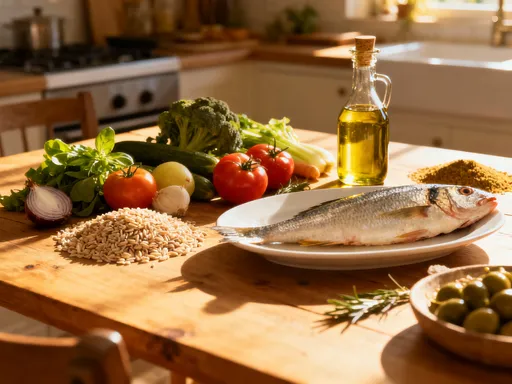
At its core, the Mediterranean diet emphasizes whole, minimally processed foods. It’s plant-forward, meaning that vegetables, fruits, legumes, whole grains, nuts, and seeds make up the majority of daily intake. Healthy fats—especially extra virgin olive oil—replace butter and other saturated fats as the primary source of dietary fat. Fish and seafood are eaten regularly, poultry and eggs in moderation, and red meat only occasionally. Dairy, when consumed, tends to be in the form of yogurt and cheese, rather than large quantities of milk. Herbs and spices are used generously to add flavor, reducing the need for excess salt.
One of the most liberating aspects of this way of eating is that it doesn’t demand perfection. Unlike many trendy diets that label foods as “good” or “bad,” the Mediterranean approach is flexible and forgiving. It allows for occasional indulgences, like a slice of cake at a birthday party or a piece of dark chocolate after dinner, without guilt. The focus is on the overall pattern, not individual meals. This shift in mindset—from restriction to abundance—was crucial for me. Instead of asking, What can’t I eat?, I began asking, What can I add to make this meal more nourishing? That small change in perspective made all the difference.
The Science Behind the Hype: Why Doctors Keep Recommending It
The popularity of the Mediterranean diet isn’t based on anecdote or marketing—it’s backed by decades of rigorous scientific research. Numerous studies, including large observational trials like the Nurses’ Health Study and clinical interventions such as the PREDIMED trial, have consistently shown that people who follow this eating pattern have lower risks of heart disease, stroke, type 2 diabetes, and certain cancers. It’s also associated with better cognitive function and a reduced risk of neurodegenerative diseases like Alzheimer’s.
One reason for these benefits lies in the diet’s anti-inflammatory properties. Chronic inflammation is now understood to play a key role in many long-term health conditions. The Mediterranean diet is rich in antioxidants and polyphenols—found in foods like berries, leafy greens, olives, and nuts—that help combat oxidative stress and reduce inflammation in the body. Extra virgin olive oil, a cornerstone of the diet, contains a compound called oleocanthal, which has been shown to have effects similar to non-steroidal anti-inflammatory drugs, but without the side effects.
Another major advantage is its impact on metabolic health. By focusing on fiber-rich plant foods and healthy fats, the diet helps regulate blood sugar and insulin levels, reducing the risk of insulin resistance. It also supports a healthy gut microbiome, which research increasingly links to immune function, mood regulation, and overall well-being. Unlike low-fat or low-carb diets that may lead to nutrient deficiencies or unsustainable habits, the Mediterranean diet provides a balanced intake of essential vitamins, minerals, and macronutrients. Because it’s not overly restrictive, people are more likely to stick with it long-term, which is critical for lasting health benefits.
The Pillars of the Mediterranean Plate: Simple Principles That Work
Translating the Mediterranean diet into everyday meals doesn’t require a culinary degree or exotic ingredients. It’s built on a few clear, practical principles that can be adapted to any kitchen. The foundation is vegetables—lots of them. I aim to fill half my plate with colorful vegetables at every meal, whether it’s a spinach and tomato omelet for breakfast or a roasted vegetable medley with dinner. Fruits are treated as nature’s desserts, enjoyed as snacks or added to yogurt and oatmeal.
Whole grains are another essential component. Instead of refined white bread or pasta, I choose whole grain versions—brown rice, quinoa, farro, or whole wheat bread. These provide sustained energy and keep me feeling full longer, thanks to their high fiber content. Legumes—beans, lentils, chickpeas—are a weekly staple. They’re an excellent source of plant-based protein and fiber, and they’re incredibly versatile. I use them in soups, salads, and even as a base for vegetarian burgers.
Fats are not feared in this way of eating—they’re celebrated, as long as they’re the right kinds. Extra virgin olive oil is my go-to for cooking, dressing salads, and drizzling over finished dishes. I’ve learned to appreciate its rich, fruity flavor and the way it enhances other ingredients. Nuts and seeds, like almonds, walnuts, and flaxseeds, are added to meals or eaten as snacks. Fish, especially fatty fish like salmon, sardines, and mackerel, appear on my menu at least twice a week, providing heart-healthy omega-3 fatty acids. Poultry and eggs are included in moderation, while red meat is reserved for special occasions—perhaps once a month.
Flavor is enhanced with herbs and spices—basil, oregano, rosemary, garlic, turmeric—rather than relying on salt. I’ve discovered that reducing salt doesn’t mean sacrificing taste; it just means being more intentional about seasoning. Water is my main beverage, though I occasionally enjoy a glass of red wine with dinner, as is common in Mediterranean cultures. The key is moderation and mindfulness—drinking for pleasure, not excess.
How I Brought It Into My Kitchen (Without Overhauling Everything)
When I first decided to adopt this way of eating, I worried it would require a complete kitchen overhaul and hours of meal prep. What I’ve learned is that small, consistent changes are more effective—and sustainable—than trying to do everything at once. I started with simple swaps that felt manageable. Instead of butter on my toast, I began using mashed avocado and a sprinkle of olives. I swapped sugary breakfast cereals for oatmeal topped with fresh fruit and a handful of nuts. Lunch used to be a deli sandwich; now, it’s often a big salad with mixed greens, chickpeas, cucumbers, tomatoes, feta, and a lemon-olive oil dressing.
One tool that helped me visualize balanced meals is the “plate method.” I picture my plate divided into sections: half filled with vegetables, a quarter with whole grains, and a quarter with lean protein. This simple guide keeps my meals proportioned and nutrient-dense without requiring precise measurements. I also began planning my weekly meals on Sunday evenings, which reduced last-minute unhealthy choices. My shopping list now includes staples like canned beans, frozen vegetables, whole grain pasta, and a variety of spices, so I always have the basics on hand.
Meal prep doesn’t have to mean cooking every meal in advance. For me, it’s about doing a few key things ahead of time—washing and chopping vegetables, cooking a batch of quinoa or lentils, or roasting a tray of sweet potatoes and Brussels sprouts. These components can be mixed and matched throughout the week. I’ve also discovered the joy of cooking with seasonal produce, visiting local farmers’ markets when possible, and letting freshness guide my choices. Over time, these habits became second nature, and my kitchen transformed into a space of nourishment rather than stress.
It’s Not Just Food: Movement, Mindset, and Enjoying Meals
One of the most profound lessons I’ve learned is that the Mediterranean lifestyle extends far beyond the plate. In traditional Mediterranean cultures, eating is a social, mindful activity. Meals are eaten slowly, often shared with family or friends, and treated as a time to connect and unwind. I’ve made a conscious effort to bring this mindset into my own life—turning off the TV during dinner, sitting at the table, and truly savoring each bite. This simple act has improved my digestion and helped me recognize when I’m full, reducing the tendency to overeat.
Physical activity is another integral part of the lifestyle, though it’s not about intense gym sessions or rigid workout schedules. In Mediterranean regions, movement is woven into daily life—walking to the market, gardening, or taking an evening stroll after dinner. I’ve adopted this principle by incorporating more walking into my routine, whether it’s a 20-minute walk after lunch or a weekend hike with my family. I’ve also started doing gentle stretching and yoga at home, which helps me manage stress and stay flexible.
Mental well-being is equally important. Chronic stress can undermine even the healthiest diet, so I’ve prioritized practices that support emotional balance—deep breathing, journaling, and setting boundaries around work and screen time. The combination of nutritious food, regular movement, and mindful living has created a positive feedback loop. I sleep better, have more energy, and feel more present in my daily life. The Mediterranean diet, I’ve realized, is not just about preventing disease—it’s about enhancing the quality of life.
Common Challenges and How I Stayed on Track
Of course, the journey hasn’t been without its challenges. There were days when I craved comfort foods—especially during stressful periods. I’ve learned that cravings are normal and don’t mean I’ve failed. Instead of suppressing them, I’ve found healthier alternatives—like dark chocolate instead of milk chocolate, or air-popped popcorn seasoned with olive oil and herbs instead of chips. The key is balance, not deprivation.
Dining out used to be a minefield, but I’ve developed strategies to stay on track. I look for restaurants that offer grilled fish, vegetable dishes, and whole grains. I don’t hesitate to ask for substitutions—like a side salad instead of fries—or to request dressings on the side. I’ve also learned to eat a small, healthy snack before going out, so I’m not overly hungry and more likely to make thoughtful choices.
Social pressure can be tricky, especially at gatherings where food is central. I’ve had relatives comment on my food choices or offer second helpings with a smile. In those moments, I remind myself that my health is my responsibility, and I can be polite while staying true to my goals. I’ve found that when I speak positively about how good I feel—more energy, better digestion, clearer thinking—others become curious rather than critical. Flexibility has been essential. I allow myself to enjoy holiday meals or a piece of cake at a party without guilt. The next meal is always a fresh start. Over time, these small, consistent choices have added up to real, lasting change.
The Mediterranean diet isn’t about being perfect—it’s about progress, pleasure, and long-term well-being. By focusing on real food and mindful habits, it became less of a diet and more of a life upgrade. For anyone overwhelmed by nutrition noise, this approach offers clarity, balance, and lasting results. It’s not just what we eat—it’s how we live.