How I Finally Tamed My Hair Health—A Long-Term Prevention Journey
For years, I ignored my scalp’s warning signs—dryness, breakage, hair thinning—until it became impossible to overlook. I used to think hair care was just about looks, but I’ve learned it’s actually a long-term game of prevention. What we do daily impacts not just shine or style, but deeper health. In this journey, I discovered small, consistent habits that transformed not only my hair but how I view wellness. This is what truly made a difference—no hype, just real steps.
The Wake-Up Call: When Hair Stops Bouncing Back
It started subtly—a few extra strands in the brush, a ponytail that no longer felt thick, a part that seemed wider than before. At first, I dismissed it as aging or seasonal shedding. But over time, the changes became harder to ignore. My hair lacked its former bounce, felt brittle at the ends, and growth seemed stalled despite trying new shampoos and serums. The turning point came one morning when I noticed visible thinning near the crown. That moment forced me to confront what I had long overlooked: hair health is not merely cosmetic. It is a visible reflection of internal well-being. Dermatologists often describe hair as a barometer of systemic health, influenced by nutrition, hormonal balance, and stress levels. When the body is under strain, hair is often one of the first areas to show signs.
What shifted my perspective was learning that hair loss or damage is rarely caused by a single event. Instead, it results from accumulated imbalances over months or even years. Temporary fixes like thickening sprays or keratin treatments might offer short-term improvement, but they don’t address the root causes. True transformation requires a preventive mindset—one that prioritizes consistency over quick results. I began to see my hair not as something to be fixed, but as a signal prompting me to reevaluate my daily habits. This realization marked the beginning of a deeper commitment to long-term care rather than reactive solutions.
Understanding this distinction was crucial. Cosmetic concerns focus on appearance: volume, shine, color. But health-focused care looks beneath the surface. It asks: Is my scalp nourished? Are my hair follicles receiving adequate blood flow? Am I providing the nutrients needed for strong strands? By reframing hair care as a form of self-maintenance, I moved away from chasing trends and began building sustainable practices. This shift didn’t yield overnight changes, but over several months, I began to notice subtle improvements—less shedding, stronger roots, and renewed growth. The journey wasn’t about perfection; it was about progress through patience and awareness.
Understanding the Root: What Causes Hair Issues Over Time?
Hair health is shaped by a complex interplay of internal and external factors. While genetics play a role, lifestyle choices often determine how those genetic tendencies manifest. Chronic stress, for example, has been clinically linked to conditions like telogen effluvium, where a significant number of hair follicles enter the resting phase prematurely, leading to increased shedding. This type of hair loss typically appears two to three months after a stressful event, making it easy to miss the connection. Yet, ongoing stress—whether from work, family responsibilities, or emotional strain—can keep the body in a prolonged state of imbalance, disrupting normal hair cycles.
Diet is another major contributor. Hair is primarily made of keratin, a protein, so inadequate protein intake can directly impact hair strength and growth. Deficiencies in iron, zinc, and vitamin D are also commonly associated with thinning and shedding, particularly in women. These nutrients support red blood cell production and oxygen delivery to the scalp, both essential for follicle function. Additionally, the gut-skin-hair axis highlights how digestive health influences nutrient absorption and inflammation levels, further affecting hair vitality. A diet high in processed foods and low in whole nutrients may fuel internal inflammation, weakening hair over time.
The scalp itself is often overlooked, yet it serves as the foundation for healthy hair. Just like the skin on the rest of the body, the scalp has its own microbiome—a delicate balance of beneficial bacteria and fungi. Disruptions from harsh products, over-washing, or environmental pollutants can lead to flakiness, irritation, or clogged follicles. Poor circulation due to tension or inactivity can also impair nutrient delivery to hair roots. Meanwhile, long-term exposure to environmental stressors like UV radiation, air pollution, and hard water minerals accumulates damage, weakening the hair shaft and reducing elasticity.
Despite the abundance of products promising instant transformation, science does not support the idea of a “miracle cure” for hair health. Dermatological research emphasizes that sustainable improvement comes from addressing underlying causes, not masking symptoms. While some ingredients like minoxidil have proven efficacy for certain types of hair loss, they work best when combined with supportive lifestyle changes. Rather than chasing viral trends or expensive treatments, focusing on evidence-based patterns—balanced nutrition, stress management, gentle care—provides a more reliable path to lasting results.
Daily Habits That Build Resilience: The Foundation of Prevention
One of the most empowering realizations was that I didn’t need drastic changes to see improvement. Instead, small, consistent habits formed the backbone of my progress. I began by reevaluating my hair-washing routine. Over-washing had been stripping my scalp of natural oils, leading to dryness and irritation. Switching to a gentler, sulfate-free cleanser helped restore balance. I also reduced washing frequency, allowing my scalp’s sebum to nourish the hair naturally. This simple adjustment led to less frizz, improved texture, and a healthier scalp environment.
Equally important was how I treated my hair between washes. I incorporated regular scalp massages using fingertips in circular motions for a few minutes each night. This practice not only felt relaxing but also stimulated blood circulation, promoting nutrient delivery to follicles. I paired this with a lightweight, non-comedogenic oil—like jojoba or squalane—to moisturize without clogging pores. These nightly rituals became moments of mindfulness, reinforcing the connection between self-care and hair health.
Product selection became more intentional. I started reading labels and avoiding ingredients known to cause dryness or irritation, such as alcohol denat, sodium lauryl sulfate, and synthetic fragrances. Instead, I looked for formulas with hydrating agents like glycerin, ceramides, and panthenol. I also minimized the use of heat styling tools, reserving flat irons and blow dryers for special occasions. When I did use heat, I always applied a heat protectant to reduce damage. Over time, these small choices added up, resulting in stronger, more resilient strands.
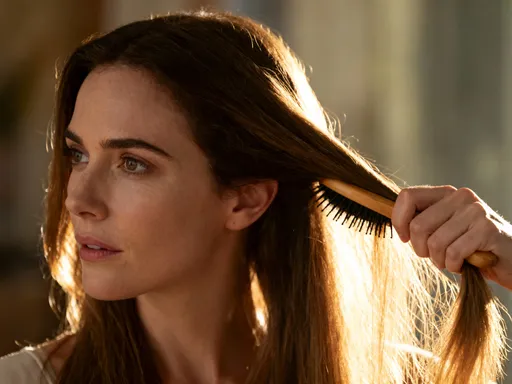
Detangling was another area where I made adjustments. I switched to a wide-tooth comb and began working from the ends upward, reducing breakage. I also replaced cotton pillowcases with silk ones, which created less friction and helped retain moisture. These changes may seem minor, but they collectively reduced mechanical stress on my hair. By focusing on gentle, protective habits every day, I created an environment where my hair could thrive rather than merely survive.
Inside-Out Care: Nutrition and Hydration as Silent Game-Changers
No amount of topical care can compensate for poor internal nourishment. Once I understood that hair growth depends on a steady supply of key nutrients, I shifted my focus to diet. Protein is fundamental—without enough amino acids, the body cannot produce keratin, the building block of hair. I began incorporating lean proteins like eggs, Greek yogurt, lentils, and chicken into most meals. These foods not only supported hair strength but also helped maintain energy levels and satiety throughout the day.
Iron-rich foods became a priority, especially since mild iron deficiency is common among women and often goes undiagnosed. I added more spinach, lentils, tofu, and fortified cereals to my diet, pairing them with vitamin C-rich foods like bell peppers and citrus to enhance absorption. Zinc, found in pumpkin seeds, chickpeas, and shellfish, also plays a role in hair tissue growth and repair. Omega-3 fatty acids from fatty fish, chia seeds, and walnuts helped improve scalp hydration and reduce inflammation, contributing to a less itchy, flakier scalp.
Biotin is often marketed as a hair growth supplement, but research suggests that while deficiency can cause hair loss, excess intake does not necessarily lead to thicker hair in those who are already sufficient. Instead of relying on pills, I focused on whole foods naturally rich in B vitamins—whole grains, eggs, nuts, and leafy greens. This approach ensured balanced intake without the risk of over-supplementation, which can sometimes disrupt other nutrient levels.
Hydration was another silent yet powerful factor. Water supports every cellular function, including those involved in hair growth. Dehydration can make hair dry and brittle, increasing the likelihood of breakage. I made it a habit to drink water consistently throughout the day, starting with a glass in the morning and carrying a reusable bottle. Within weeks, I noticed my hair felt more pliable, with fewer split ends. While supplements can play a role under medical guidance, I found that real food and proper hydration delivered more consistent, long-term benefits.
Stress, Sleep, and Hormones: The Invisible Influencers
Among the most surprising discoveries was how deeply stress and sleep affect hair. Chronic stress elevates cortisol, a hormone that, in excess, can disrupt the hair growth cycle and push more follicles into the shedding phase. I realized that my busiest periods—often marked by late nights and constant multitasking—were followed by noticeable increases in hair fall. This pattern wasn’t coincidental. The body prioritizes vital functions during stress, diverting resources away from non-essential processes like hair growth.
Sleep emerged as a critical factor in recovery and repair. During deep sleep, the body releases growth hormone and performs cellular regeneration, including in hair follicles. Poor sleep quality or insufficient duration can impair these processes, slowing down renewal. I began prioritizing a consistent bedtime, reducing screen time before bed, and creating a calming evening routine. These changes not only improved my energy but also correlated with reduced shedding over time.
Hormonal shifts, whether due to perimenopause, thyroid imbalances, or postpartum changes, can also significantly impact hair. I learned to recognize signs such as diffuse thinning, changes in texture, or increased shedding that persists beyond a few months. While some fluctuations are normal, persistent changes warranted a conversation with my healthcare provider. Blood tests helped identify any underlying imbalances, allowing for targeted interventions. For example, optimizing thyroid function or managing insulin resistance often leads to improvements in hair health.
Managing stress became a preventive practice. I incorporated short mindfulness exercises, daily walks, and moments of stillness into my routine. These weren’t grand gestures but small acts of self-preservation. Over time, I noticed not only better hair but also improved mood and clarity. By addressing these invisible influencers, I supported my hair from within, reinforcing the idea that true health is holistic.
Protective Styling and Environmental Defense: Shielding Over Time
Environmental damage accumulates silently. UV exposure can weaken the hair shaft, leading to dryness and color fading. Pollution particles can settle on the scalp, contributing to oxidative stress and inflammation. Hard water, high in minerals like calcium and magnesium, can leave a residue that makes hair feel dull and difficult to manage. Recognizing these threats allowed me to take proactive steps to minimize their impact.
I began using protective hairstyles that reduced tension and friction. Instead of tight ponytails or braids, I opted for loose styles that didn’t pull on the roots. I also invested in a wide-brimmed hat for sunny days, which protected both my scalp and hair from UV damage. When swimming, I wore a silicone cap to prevent chlorine absorption, which can be extremely drying.
At home, I installed a shower filter to reduce mineral buildup from hard water. This simple upgrade made a noticeable difference in how my hair felt—softer, smoother, and more responsive to products. I also rinsed my hair after being outdoors in high-pollution areas when possible, removing surface contaminants. Using a clarifying shampoo once a month helped deep-clean my scalp without over-drying.
I minimized heat styling and embraced air-drying whenever possible. When I did use tools, I set them to low or medium heat and used a heat protectant. I also avoided brushing wet hair, which is more elastic and prone to breakage, opting instead to detangle with a wide-tooth comb after applying a leave-in conditioner. These protective measures weren’t about eliminating all styling but about making smarter, more sustainable choices that preserved hair integrity over time.
Tracking Progress and Staying Consistent: The Mindset Shift
One of the hardest lessons was learning to be patient. Hair grows slowly—about half an inch per month—so changes take time. I started taking monthly photos under consistent lighting to track subtle improvements. I also kept a brief journal noting changes in shedding, texture, and scalp condition. These records helped me stay motivated during plateaus, reminding me that progress isn’t always visible right away.
I learned to accept natural cycles. There were times when shedding increased slightly, especially during seasonal transitions. Instead of panicking, I viewed these phases as normal fluctuations. I focused on maintaining my routine rather than reacting emotionally. Consistency, not perfection, became my goal. Missing a night of scalp massage or eating a less nutritious meal didn’t derail progress—it was the overall pattern that mattered.
Over time, my relationship with hair care evolved. It was no longer about chasing an ideal look but about honoring my body’s needs. I stopped comparing my hair to others’ and celebrated small wins—like a stronger ponytail or fewer split ends. This mindset shift made the journey sustainable. I wasn’t doing it for a quick transformation but for long-term vitality.
Building a rhythm that fit my life was essential. I chose habits that were simple, repeatable, and enjoyable. This ensured I could maintain them even during busy periods. Rather than viewing hair care as a chore, I integrated it into my self-care routine, making it a meaningful part of my day.
Conclusion
Hair isn’t just about appearance—it’s a reflection of how well we care for ourselves over time. What I’ve learned isn’t a shortcut, but a sustainable approach rooted in prevention, patience, and awareness. Small, consistent choices add up to lasting strength and vitality. By treating hair health as a lifelong practice, not a temporary fix, we invest in more than beauty—we nurture overall well-being. True transformation begins not with the latest product, but with the daily commitment to listen, respond, and care. In doing so, we honor not just our hair, but the whole self it represents.