How I Grew Healthier Skin Through Movement—My Long-Term Skincare Shift
You’ve probably heard that skincare starts on the inside—but what if your workout routine is the missing piece? For years, I chased perfect skin with creams and serums, only to see real change when I started moving consistently. It wasn’t about intense gym sessions, but long-term, sustainable exercise that balanced my body. This isn’t a quick fix; it’s a shift. In this article, we’ll explore how regular movement supports skin health from within, backed by science and real experience—no hype, just honest insights.
The Skin-Exercise Connection: Beyond Surface-Level Beauty
Healthy skin is not just the result of a carefully curated shelf of serums and moisturizers. While topical care plays a role, the foundation of radiant skin lies deeper—within the body’s internal systems. One of the most overlooked yet powerful contributors to skin vitality is physical activity. Movement, in its many forms, influences circulation, hormone balance, and inflammation, all of which directly affect how your skin looks and functions.
When you engage in physical activity, your heart pumps faster, increasing blood flow throughout the body. This enhanced circulation delivers oxygen and essential nutrients to skin cells, supporting their regeneration and repair. Oxygen is critical for collagen production, the protein responsible for skin’s firmness and elasticity. Without sufficient oxygen, skin can appear dull, tired, and more prone to fine lines. Exercise helps reverse this by ensuring a steady supply of oxygen-rich blood to the skin’s surface.
At the same time, movement aids in the removal of waste products from skin cells. The circulatory system works in tandem with the lymphatic system, which clears toxins and cellular debris. Unlike the circulatory system, the lymphatic system does not have a pump—its flow depends on muscle contractions. Every time you move, you’re helping your lymphatic system flush out impurities that can contribute to breakouts, puffiness, and uneven tone.
Inflammation is another key factor in skin health, often linked to conditions like acne, rosacea, and premature aging. Chronic low-grade inflammation, often caused by stress, poor diet, or inactivity, can damage skin at the cellular level. Regular moderate exercise has been shown to reduce markers of systemic inflammation, such as C-reactive protein. By lowering inflammation, movement helps create an internal environment where skin can thrive—calm, clear, and resilient.
It’s important to note that this isn’t about extreme workouts or pushing the body to its limits. In fact, excessive high-intensity training without adequate recovery can increase oxidative stress and cortisol levels, potentially counteracting the benefits. The goal is consistency—regular, enjoyable movement that supports overall well-being and, by extension, skin health. The skin, like any organ, responds best to balance and long-term care.
My Skincare Wake-Up Call: When Creams Stopped Working
For nearly a decade, the pursuit of clear, glowing skin was a daily ritual. Mornings began with a multi-step routine: cleanser, toner, vitamin C serum, moisturizer, and sunscreen. Evenings included exfoliation, retinol, and a hydrating mask. I invested in high-end products, consulted dermatologists, and followed every emerging trend—from jade rolling to LED therapy. Yet, despite this meticulous care, my skin remained inconsistent. Breakouts came and went without pattern, and a persistent dullness refused to fade.
The turning point came during a particularly stressful period. Work demands were high, sleep was inconsistent, and my usual routines felt like chores rather than self-care. One morning, after examining my reflection, I realized something: no matter how many products I applied, I couldn’t outsource my skin’s health. The mirror was reflecting not just my face, but my lifestyle. I was neglecting the internal factors—nutrition, stress, and movement—that science says are just as important as topical treatments.
That realization led to a shift in focus. Instead of reaching for another serum, I asked: what could I add to my day that didn’t involve a bottle or a label? The answer was simple: movement. Not as punishment or a way to “burn off” stress, but as a form of care. I started with something manageable—15-minute walks after dinner. No tracking, no pressure, just walking while listening to music or a podcast.
Within a few weeks, subtle changes began to appear. My complexion looked brighter, not because of a new product, but because I felt more energized. My skin felt less congested, and the occasional breakouts became less frequent. These weren’t dramatic transformations, but they were consistent. For the first time, I noticed that my skin seemed to respond not to what I was putting on it, but to how I was living.
This experience wasn’t unique to me. Many women in their 30s, 40s, and beyond report similar shifts when they begin to prioritize movement. As metabolism slows and hormonal fluctuations become more common, the body’s ability to maintain skin health declines—unless supported by lifestyle choices. Exercise became the missing link, not because it replaced skincare, but because it enhanced it from within.
Why Long-Term Movement Beats Quick Fixes
In a world of instant results and viral fitness trends, the idea of slow, consistent movement can feel underwhelming. Social media often glorifies intense workouts, 30-day challenges, and rapid transformations. But when it comes to skin health, sustainability matters more than intensity. Crash workouts may burn calories, but they don’t build the kind of internal balance that leads to lasting radiance.
Chronic stress—whether from work, parenting, or daily life—takes a visible toll on the skin. Elevated cortisol levels can increase oil production, disrupt the skin barrier, and trigger inflammation, all of which contribute to breakouts and accelerated aging. A single high-stress week can undo weeks of careful skincare. Sedentary lifestyles worsen this effect by slowing circulation and impairing detoxification. The body becomes less efficient at delivering nutrients and removing waste, leading to a tired, lackluster appearance.
Regular, moderate exercise helps counteract these effects by regulating the body’s stress response. Activities like walking, yoga, or swimming activate the parasympathetic nervous system, which promotes relaxation and recovery. Over time, this leads to lower baseline cortisol levels, reducing the internal pressure that shows up on the skin. Unlike quick fixes, which offer temporary results, this kind of change builds resilience.
Detoxification is another area where long-term movement shines. The liver and kidneys are the body’s primary detox organs, but their efficiency depends on good circulation and hydration. Exercise supports both by increasing blood flow and encouraging fluid balance. Sweating during physical activity also plays a role—while sweat itself doesn’t “cleanse” the skin, the increased circulation that comes with it helps deliver nutrients and remove metabolic byproducts.
The key is consistency. Short bursts of activity may provide a temporary glow, but they don’t create the systemic changes needed for sustained skin health. Think of movement as a daily investment, like applying sunscreen or drinking water. It’s not about doing more—it’s about doing something every day that supports your body’s natural rhythms. Over months and years, this builds a foundation that no product can replicate.
The Best Exercises for Skin Health (And Why They Work)
Not all exercise is created equal when it comes to skin benefits. The most effective routines are those that support circulation, reduce stress, and promote recovery—without overtaxing the body. The good news? These are also the most accessible forms of movement, suitable for all fitness levels and lifestyles.
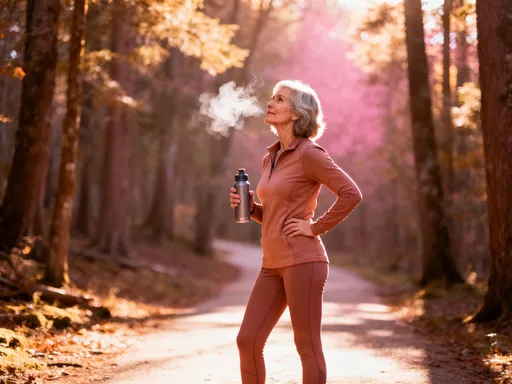
Walking is one of the simplest yet most powerful tools for skin health. A daily 30-minute walk increases heart rate just enough to boost circulation without triggering excessive stress hormones. It’s low-impact, requires no equipment, and can be done anywhere. Studies show that regular walking improves microcirculation—the tiny blood vessels that feed skin cells—leading to better nutrient delivery and a more even tone. Plus, walking outdoors exposes you to natural light, which helps regulate circadian rhythms and supports healthy sleep, another pillar of skin health.
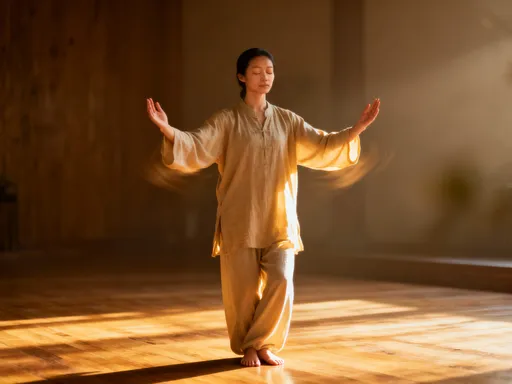
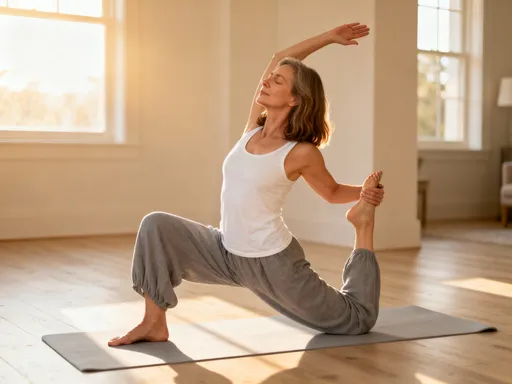
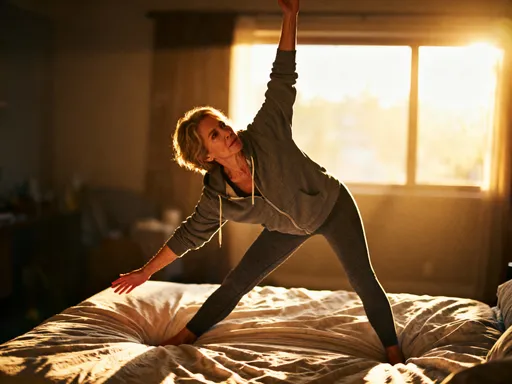
Yoga offers a unique combination of physical movement and stress reduction. Certain poses, like inversions (e.g., downward dog or legs-up-the-wall), encourage blood flow to the face, delivering oxygen and nutrients while reducing puffiness. The breathing techniques used in yoga activate the parasympathetic nervous system, lowering cortisol and promoting relaxation. Over time, this can lead to fewer stress-related breakouts and a calmer complexion. Yoga also improves flexibility and posture, which contribute to an overall sense of well-being that reflects in the skin.
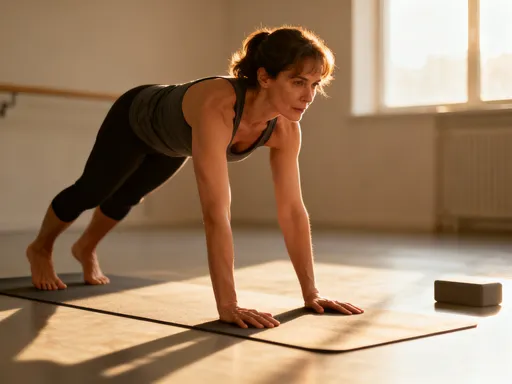
Strength training, often overlooked in skincare conversations, plays a crucial role in maintaining skin elasticity. As we age, muscle mass naturally declines, leading to a loss of facial volume and sagging skin. Resistance exercises—whether with body weight, bands, or weights—help preserve muscle tone, which in turn supports the skin’s structure. Additionally, strength training boosts growth hormone and insulin-like growth factor 1 (IGF-1), both of which are involved in collagen synthesis.
Swimming is another excellent option, particularly for those with sensitive or acne-prone skin. The buoyancy of water reduces joint impact, making it ideal for low-impact cardiovascular exercise. Swimming increases lung capacity and circulation, both of which enhance oxygen delivery to the skin. However, it’s important to rinse off after swimming to remove chlorine, which can be drying. Following up with a gentle moisturizer helps maintain the skin barrier.
The common thread among these activities is sustainability. They don’t require expensive equipment, gym memberships, or hours of time. They can be woven into daily life—walking the dog, doing a 15-minute yoga session in the morning, or swimming during a weekend family outing. The goal is not perfection, but regularity. Over time, these small efforts accumulate into visible, lasting improvements in skin health.
Building a Routine That Lasts: Small Steps, Big Results
Starting an exercise habit is often easier than maintaining it. Motivation fades, schedules change, and life gets in the way. The secret to long-term success isn’t willpower—it’s strategy. Sustainable routines are built not through drastic changes, but through small, repeatable actions that fit naturally into daily life.
One effective approach is habit stacking—linking a new behavior to an existing one. For example, doing five minutes of stretching after brushing your teeth, or taking a short walk after lunch. These micro-moments of movement add up over time and become automatic. The key is to start small enough that the action feels effortless. A five-minute walk is better than no walk, and it builds momentum for longer sessions later.
Setting realistic goals is equally important. Instead of aiming for an hour at the gym every day, begin with three 20-minute sessions per week. Focus on consistency, not intensity. Celebrate non-scale victories—like waking up with less facial puffiness, noticing a brighter complexion, or feeling more energized. These subtle signs are powerful motivators because they connect the effort to tangible results.
Tracking progress can also reinforce commitment. A simple journal or app can help you record not just activity, but how you feel—your energy levels, sleep quality, and skin appearance. Over time, patterns emerge. You might notice that on days you walk, your skin looks clearer. Or that after a yoga session, your face appears less tense. These observations strengthen the mind-body connection and deepen your understanding of how movement supports skin health.
Flexibility is another cornerstone of lasting routines. Life is unpredictable—illness, travel, or family demands may disrupt your plans. Instead of aiming for perfection, aim for resilience. If you miss a day, simply return to your routine the next day without guilt. Self-compassion is essential. The goal is not to follow a rigid schedule, but to cultivate a lifestyle that honors your body’s needs.
What Science Says: Evidence Behind Exercise and Skin Aging
While personal experience offers valuable insights, scientific research provides the foundation for understanding how exercise influences skin health. Over the past two decades, studies have consistently shown that physical activity slows the biological processes associated with skin aging.
One of the most compelling areas of research involves telomeres—protective caps at the ends of chromosomes that shorten with age. Shorter telomeres are linked to cellular aging and age-related diseases. A study published in the journal *Medicine & Science in Sports & Exercise* found that adults who engaged in regular physical activity had significantly longer telomeres than their sedentary counterparts, suggesting that exercise may slow cellular aging at the genetic level.
Oxidative stress is another major contributor to skin aging. Free radicals, generated by environmental factors like UV exposure and pollution, damage skin cells and break down collagen. The body has natural antioxidant defenses, but these weaken over time. Exercise has been shown to boost the body’s antioxidant capacity, helping to neutralize free radicals and protect skin from damage. A 2015 study in *Free Radical Biology and Medicine* demonstrated that moderate aerobic exercise increased antioxidant enzyme activity in the skin, improving its ability to resist oxidative stress.
Microcirculation—the flow of blood through the smallest vessels—also plays a critical role in skin health. A 2018 study using laser Doppler imaging found that individuals who exercised regularly had better microcirculatory function than those who did not. Improved microcirculation means more nutrients and oxygen reach skin cells, supporting repair and renewal. It also enhances the removal of waste products, reducing inflammation and promoting clarity.
These findings are not limited to elite athletes. The benefits are seen in people who engage in moderate, consistent activity—such as brisk walking, cycling, or swimming—for 150 minutes per week, the amount recommended by health authorities. The message is clear: you don’t need to train like a marathoner to see results. Regular, manageable movement is enough to trigger meaningful biological changes.
Beyond the Mirror: How Movement Changes Your Whole Vibe
The benefits of movement extend far beyond skin appearance. When you make physical activity a regular part of your life, you begin to notice shifts in how you feel—your energy, mood, and overall presence. These internal changes radiate outward, influencing not just how you look, but how you carry yourself in the world.
Sleep quality often improves with regular exercise. Physical activity helps regulate the body’s internal clock, making it easier to fall asleep and stay asleep. Deep, restorative sleep is essential for skin repair—during these hours, the body produces growth hormone and repairs damaged cells. Waking up well-rested often means waking up with clearer, more vibrant skin.
Mood is another area where movement makes a difference. Exercise stimulates the release of endorphins, serotonin, and dopamine—neurochemicals associated with feelings of well-being and reduced anxiety. When stress is lower and mood is balanced, facial tension decreases, and the skin appears smoother and more relaxed. Many women report that after a few weeks of consistent movement, they feel more confident, not because of a change in appearance, but because of a deeper sense of alignment.
Energy levels also rise, making daily tasks feel more manageable. This isn’t just about physical stamina—it’s about mental clarity and emotional resilience. When you feel strong and capable, it shows. Your posture improves, your expression softens, and your skin glows with the vitality of a body that is being cared for.
In this way, movement becomes more than a skincare strategy—it becomes a form of self-respect. It’s a daily promise to show up for yourself, not out of obligation, but out of love. And that inner confidence, that quiet strength, is perhaps the most beautiful thing you can wear.
Your Body’s Natural Glow-Up
True skincare is not confined to the bathroom counter. It’s not just about the products you apply, but the life you live. Movement, in its simplest forms, is one of the most powerful tools for nurturing healthy, resilient skin. It works from the inside out—supporting circulation, reducing inflammation, and enhancing cellular repair. Unlike quick fixes that fade, this kind of change is lasting, built on the foundation of daily care.
The journey doesn’t require perfection. It begins with a single step—a walk, a stretch, a moment of intentional movement. Over time, these small choices add up, creating a rhythm that supports not just your skin, but your entire well-being. You may not see dramatic changes overnight, but you will notice a difference: in your energy, your sleep, your mood, and the quiet radiance of your skin.
So, consider this an invitation—to move not to change your appearance, but to honor your body. To invest in practices that support long-term health, not just short-term results. Because the most beautiful skin isn’t the one that looks flawless in a photo, but the one that reflects a life lived with care, balance, and intention. That’s the glow that lasts.