Why Your Workout Routine Might Be the Secret to Healthier Hair
You’ve probably never linked your exercise routine to your hair health—but science suggests they’re more connected than you think. As someone who struggled with dull, thinning hair despite top-tier products, I discovered that real change started not in my medicine cabinet, but in my fitness regimen. This isn’t about miracle cures—it’s about how blood flow, hormone balance, and stress reduction from movement create the internal environment your hair needs to thrive. Let’s break down the professional insights behind this surprising connection.
The Hidden Connection Between Exercise and Hair Health
At first glance, hair growth and physical activity might seem unrelated—one occurs on the surface of the body, the other involves muscles and endurance. Yet beneath the skin, a complex network of biological systems connects the two. Scientific research increasingly shows that regular exercise supports hair health through improved circulation, balanced hormones, and reduced inflammation—three pillars essential for strong, vibrant hair. The hair follicle, often seen as a passive structure, is in fact metabolically active and dependent on a steady supply of oxygen and nutrients delivered through the bloodstream. Without proper nourishment, even genetically healthy follicles may enter resting or shedding phases prematurely.
One of the most significant ways exercise benefits hair is by enhancing systemic circulation. When you move your body, your heart pumps more efficiently, increasing blood flow throughout the body—including the scalp. This means more oxygen and vital nutrients like iron, biotin, and amino acids reach the hair follicles, supporting keratin production and cellular turnover. A 2017 study published in the International Journal of Trichology found that participants who engaged in moderate aerobic exercise for 30 minutes five times a week showed a measurable increase in hair density after six months compared to a sedentary control group. While genetics and age play roles in hair quality, this study highlights that lifestyle choices can shift outcomes in a meaningful way.
Beyond circulation, exercise helps regulate the body’s inflammatory response. Chronic low-grade inflammation has been linked to several forms of hair loss, including androgenetic alopecia and telogen effluvium. Physical activity reduces levels of pro-inflammatory markers such as C-reactive protein (CRP) and interleukin-6 (IL-6), creating a more favorable environment for hair growth. Additionally, regular movement supports mitochondrial function in cells, including those within hair follicles, which improves energy production and resilience against stress-induced damage. In essence, your workout isn’t just shaping your body—it’s also influencing the microscopic terrain where hair grows.
Why Traditional Hair Care Falls Short Without Lifestyle Support
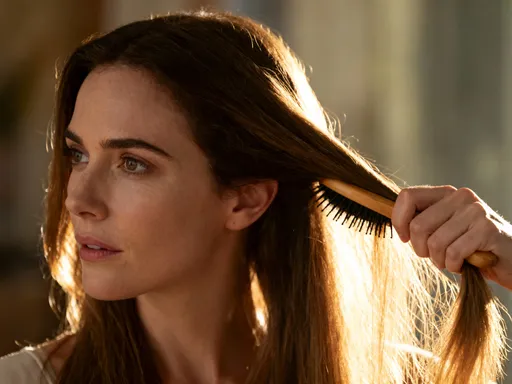
Many women invest heavily in shampoos, conditioners, serums, and supplements promising thicker, shinier hair. While some of these products can offer surface-level improvements—such as smoothing the cuticle or adding temporary volume—they often fail to address the root causes of hair thinning or slow growth. The truth is, no amount of topical treatment can compensate for poor internal health. Hair is a reflection of what’s happening inside the body, much like a canary in a coal mine signaling nutritional deficiencies, hormonal imbalances, or chronic stress. Without addressing these underlying factors, even the most expensive hair care routine may deliver limited or short-lived results.
A common misconception is that hair loss is primarily a cosmetic issue. In reality, it’s often a symptom of deeper physiological disruptions. For example, high cortisol levels due to prolonged stress can trigger telogen effluvium, a condition where large numbers of hair follicles enter the resting phase simultaneously, leading to noticeable shedding several months later. Similarly, insulin resistance, which affects millions of women, especially as they age, can contribute to hormonal fluctuations that impact hair growth cycles. Topical treatments do nothing to correct these internal imbalances. They may make hair look better temporarily, but they don’t change the biological conditions that determine whether hair thrives or struggles.
This gap between external care and internal health explains why so many women feel frustrated despite following elaborate hair regimens. They’re treating the symptom while ignoring the cause. Think of it like watering the leaves of a plant while neglecting its roots. Eventually, the plant will wither. The same principle applies to hair. Exercise bridges this gap by acting on multiple systems at once—supporting circulation, reducing stress hormones, improving metabolic function, and promoting overall well-being. It’s not a replacement for good hair care, but rather a necessary foundation that allows those efforts to be truly effective.
How Blood Flow Fuels Stronger, Fuller Hair
Blood flow is one of the most underappreciated yet critical factors in hair health. Each strand of hair grows from a follicle embedded in the scalp, and each follicle relies on a tiny network of capillaries to deliver oxygen, glucose, vitamins, and minerals. When circulation to the scalp is compromised—due to inactivity, poor posture, or vascular issues—follicles receive less nourishment, which can lead to weaker strands, slower growth, and increased shedding. Regular cardiovascular exercise directly combats this by boosting heart rate and encouraging vasodilation, the widening of blood vessels, which enhances microcirculation throughout the body, including the scalp.
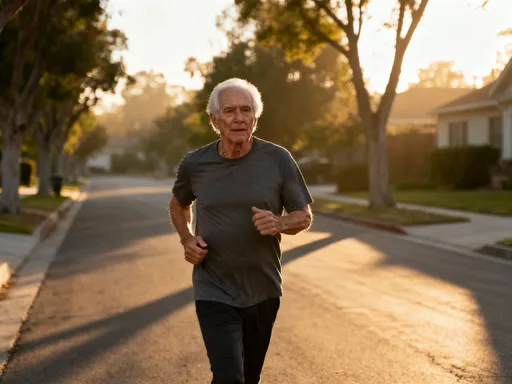
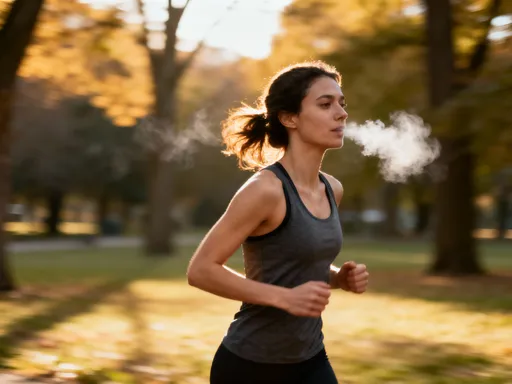
Aerobic activities such as brisk walking, jogging, cycling, or swimming are particularly effective at stimulating blood flow. These exercises elevate the heart rate into a target zone that promotes optimal circulation without overtaxing the body. A 2019 study in Dermatologic Therapy observed that individuals who maintained a consistent aerobic routine had significantly higher blood flow to the scalp compared to sedentary peers, as measured by laser Doppler imaging. Researchers noted that increased perfusion correlated with improved hair shaft thickness and reduced miniaturization of follicles, both indicators of healthier hair growth. Even simple movements like walking for 30 minutes a day can make a measurable difference over time.
It’s important to note that while scalp massages and certain topical treatments claim to improve circulation, their effects are localized and short-lived. In contrast, whole-body exercise produces systemic benefits that last longer and affect more than just the scalp. Moreover, enhanced circulation supports not only hair but also skin health, cognitive function, and energy levels—making it a holistic investment in well-being. For women seeking stronger, fuller hair, incorporating regular aerobic activity isn’t just beneficial; it’s foundational. Starting with manageable goals—such as three 20-minute walks per week—and gradually increasing duration and intensity can lead to sustainable improvements in both fitness and hair quality.
Hormonal Balance: The Exercise Advantage for Hair Retention
Hormones play a central role in regulating the hair growth cycle, and imbalances can lead to thinning, shedding, or slowed regrowth. Key hormones involved include cortisol (the stress hormone), insulin, estrogen, progesterone, and androgens like testosterone. As women age, particularly during perimenopause and menopause, shifts in these hormones become more pronounced, often resulting in changes to hair texture and volume. However, regular physical activity has been shown to help stabilize these hormonal fluctuations, offering a natural and effective strategy for maintaining hair health.
Cortisol, when chronically elevated, can disrupt the hair cycle by pushing follicles into the resting phase prematurely. Exercise, especially moderate-intensity aerobic activity, helps lower cortisol levels over time by improving the body’s ability to manage stress. Additionally, resistance training—such as lifting weights, using resistance bands, or doing bodyweight exercises—supports healthy insulin sensitivity, which is crucial because insulin resistance can increase androgen production, contributing to female pattern hair loss. By maintaining balanced insulin levels through consistent movement, women can reduce this risk and support a more stable hormonal environment for hair growth.
Exercise also influences sex hormone-binding globulin (SHBG), a protein that regulates the availability of sex hormones in the bloodstream. Higher SHBG levels mean fewer free androgens are circulating, which can protect against hair thinning. Studies suggest that regular physical activity increases SHBG production, particularly in women with polycystic ovary syndrome (PCOS), a condition often associated with hair loss. While exercise alone cannot cure hormonal disorders, it serves as a powerful modulator that complements medical treatment and lifestyle changes. For women navigating hormonal transitions, incorporating both cardio and strength training into their weekly routine offers a dual benefit: supporting metabolic health and preserving hair density.
Stress Reduction as a Non-Negotiable for Scalp Health
Chronic stress is one of the most common yet overlooked contributors to hair loss. Emotional or physical stressors—such as caregiving responsibilities, work pressure, sleep disruption, or illness—can trigger a condition known as telogen effluvium, where up to 70% of hair follicles shift into the shedding phase. This type of hair loss typically appears three to six months after the stressful event, making it difficult to trace back to its origin. However, the good news is that stress-related shedding is usually reversible once the underlying trigger is addressed. Among the most effective, evidence-based methods for reducing stress is regular physical activity.
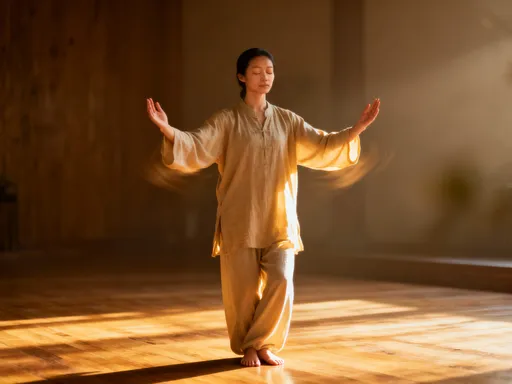
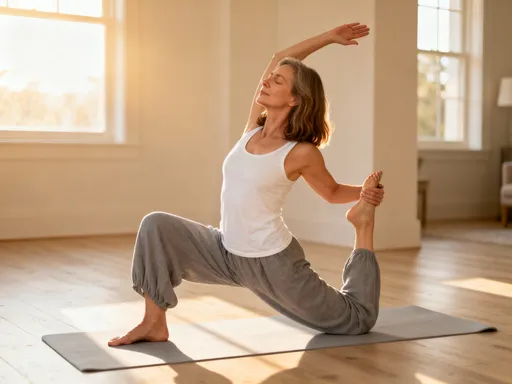
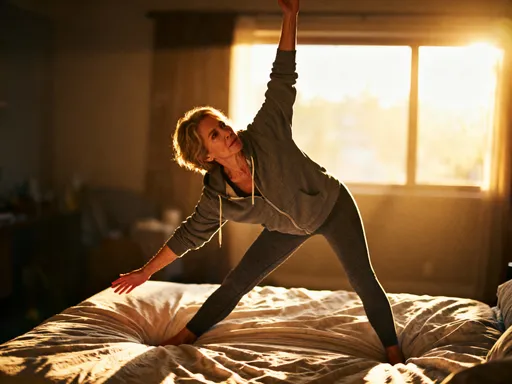
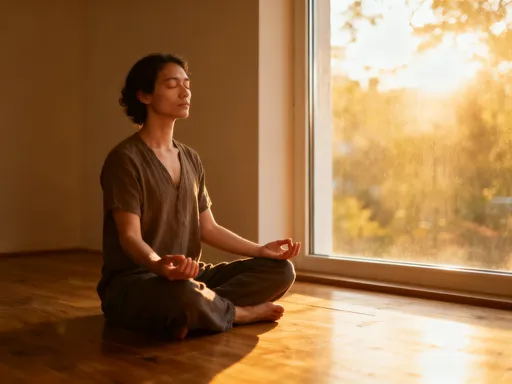
Aerobic exercise has been widely studied for its mood-enhancing effects, thanks to the release of endorphins, serotonin, and dopamine—neurochemicals that promote feelings of well-being and relaxation. Just 20 to 30 minutes of brisk walking several times a week can significantly reduce perceived stress levels and improve sleep quality, both of which are critical for hair recovery. Beyond aerobic movement, mind-body practices such as yoga, tai chi, and Pilates offer additional benefits by combining gentle physical activity with breathwork and mindfulness. These forms of exercise have been shown to lower cortisol levels, reduce muscle tension, and improve parasympathetic nervous system function—the “rest and digest” counterpart to the stress-driven “fight or flight” response.
For women juggling multiple roles—mother, professional, caregiver—finding time to relax can feel impossible. But integrating stress-reducing movement into daily life doesn’t require hours at the gym. A morning stretch routine, a short walk after dinner, or a weekend yoga class can provide meaningful relief. The key is consistency. Over time, these practices help retrain the body’s stress response, making it less reactive to everyday challenges. As stress levels decrease, the scalp environment becomes more conducive to healthy hair growth. In this way, exercise functions not only as a physical intervention but also as an emotional reset—one that supports both mental clarity and hair vitality.
Designing a Hair-Healthy Exercise Plan: Practical Steps
Knowing that exercise supports hair health is one thing; putting it into practice is another. The good news is that you don’t need an intense or complicated routine to see benefits. What matters most is consistency, balance, and sustainability. A well-rounded exercise plan that includes cardiovascular activity, strength training, and flexibility work provides comprehensive support for circulation, hormone regulation, and stress reduction—all of which contribute to healthier hair. The goal isn’t to become an athlete overnight, but to build a routine that fits your lifestyle and can be maintained long-term.
A sample weekly schedule might include:
Monday: 30-minute brisk walk (cardio)
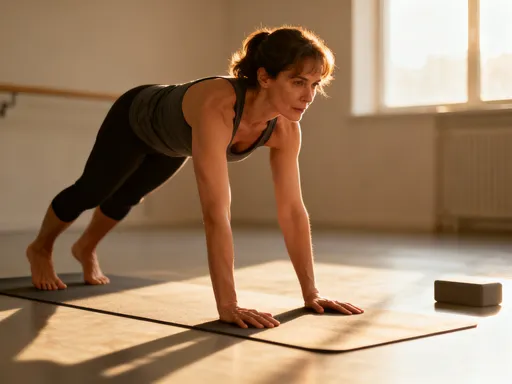
Tuesday: 20-minute bodyweight strength session (squats, lunges, push-ups, planks)
Wednesday: 30-minute yoga or stretching routine (flexibility and stress relief)
Thursday: 30-minute cycling or swimming (cardio)
Friday: 20-minute resistance band workout (strength)
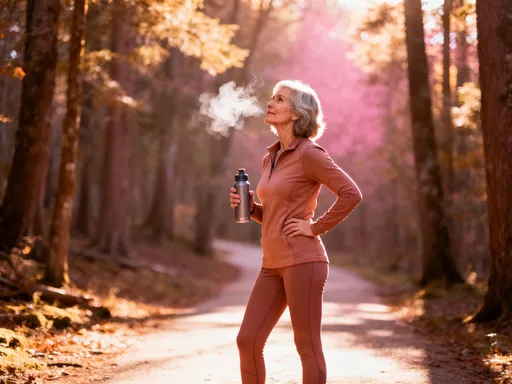
Saturday: 45-minute nature walk or light hike (low-impact cardio and mental refreshment)
Sunday: Rest or gentle stretching
This plan balances intensity with recovery, ensuring that the body isn’t overworked, which is crucial because excessive exercise can actually increase cortisol and contribute to hair shedding. Gradual progression is key—start where you are and slowly increase duration or difficulty as your fitness improves. Even small changes, like parking farther from the store or taking the stairs, add up over time. Hydration and rest are equally important; dehydration can impair circulation, and poor sleep disrupts hormone balance, both of which affect hair health.
Pairing exercise with other supportive habits enhances its impact. Eating a balanced diet rich in protein, iron, omega-3 fatty acids, and antioxidants provides the building blocks for strong hair. Getting seven to eight hours of quality sleep each night allows the body to repair and regenerate. Together, these elements form a synergistic approach that goes beyond surface-level fixes. The result? Not just better hair, but a stronger, more resilient body and mind.
When to Seek Professional Guidance and What to Expect
While exercise plays a powerful supportive role in hair health, it’s important to recognize when professional evaluation is needed. Sudden or severe hair loss, patchy bald spots, or changes in scalp texture should not be ignored. These symptoms may indicate underlying medical conditions such as thyroid disorders, autoimmune diseases, nutritional deficiencies, or hormonal imbalances that require diagnosis and treatment by a healthcare provider. A board-certified dermatologist or trichologist (a specialist in hair and scalp disorders) can perform tests, review medical history, and recommend appropriate interventions, which may include blood work, topical medications, or oral treatments.
Exercise should be viewed as a complementary strategy, not a substitute for medical care. For example, a woman diagnosed with hypothyroidism may need medication to regulate her thyroid function, but adding regular physical activity can enhance overall well-being and support hair regrowth efforts. Similarly, someone experiencing hair loss due to iron deficiency anemia will benefit from iron supplementation under medical supervision, while also improving circulation through movement to aid nutrient delivery to follicles. The most effective approach is integrative—one that combines clinical treatment with lifestyle modifications for optimal results.
It’s also important to manage expectations. Hair growth is a slow process, with strands typically growing about half an inch per month. Visible improvements from lifestyle changes may take three to six months to appear, as the hair cycle adjusts. Patience and persistence are essential. Women who commit to a holistic plan—combining medical guidance, balanced nutrition, stress management, and regular exercise—often report not only better hair but increased energy, improved mood, and greater confidence. These benefits extend far beyond appearance, reinforcing the idea that true wellness begins from within.
True hair wellness begins beneath the surface. By treating exercise not just as a tool for fitness, but as foundational support for vibrant hair, you align with your body’s natural systems. This professional, sustainable path—rooted in circulation, balance, and self-care—offers more lasting results than any topical fix alone.