Lost in Nagoya’s Hidden Worlds? Here’s How to Find the Real Magic
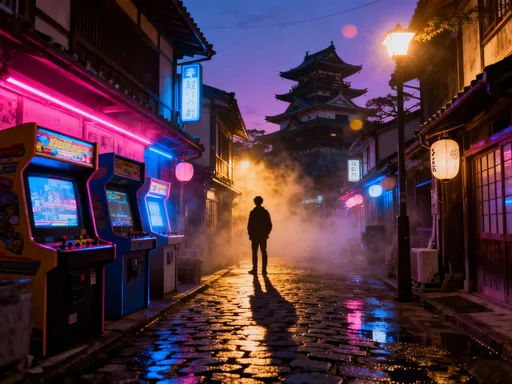
Nagoya isn’t just a stopover between Tokyo and Kyoto — it’s a city full of unexpected wonders waiting to be explored. From retro-futuristic arcades to serene castle gardens, I’ve uncovered theme zones that most travelers completely miss. If you’re looking to move beyond the guidebooks and dive into authentic, offbeat experiences, this is your starting point. Let me show you how to unlock Nagoya’s true character through its most captivating districts. With a blend of tradition, innovation, and local flair, Nagoya offers a travel experience that rewards curiosity and rewards those who look beyond the surface.
Why Nagoya Deserves More Than a Layover
Nestled in the Chubu region of central Japan, Nagoya often plays second fiddle to its flashier neighbors. Yet this bustling metropolis is far more than a transit hub — it’s a cultural crossroads where modernity and heritage coexist in harmony. As the capital of Aichi Prefecture and home to over two million residents, Nagoya serves as an economic and industrial powerhouse, but its soul lies in its neighborhoods, each with a distinct rhythm and identity. Travelers who dismiss Nagoya as merely functional miss the chance to witness a city that quietly pulses with creativity, tradition, and innovation.
One reason Nagoya remains underappreciated is the misconception that it lacks the historical depth or visual charm of Kyoto or Nara. But this overlooks the city’s layered past and its role as a guardian of samurai legacy, spiritual sites, and cutting-edge manufacturing. Unlike the crowds that flock to well-trodden paths, those who explore Nagoya find space to breathe, engage, and discover at their own pace. The city does not perform for tourists — it simply lives, offering glimpses into daily Japanese life enriched by centuries of tradition and forward-thinking progress.
What sets Nagoya apart is its collection of themed districts — areas where culture, commerce, and community converge in unique ways. These are not artificial tourist traps, but organic developments shaped by local tastes and history. Whether it’s the buzzing energy of Osu’s street markets or the meditative calm of Atsuta Jingu’s forested grounds, each zone tells a different story. By approaching Nagoya not as a pit stop but as a destination in its own right, travelers gain access to a richer, more nuanced understanding of Japan beyond the postcard scenes.
Exploring Nagoya with intention reveals a city that values authenticity over spectacle. There are no grand attempts to impress — just genuine spaces where people shop, pray, eat, and innovate. For the thoughtful traveler, especially those who appreciate depth and subtlety, Nagoya offers a refreshing alternative to the more commercialized corners of Japan. With a little guidance and an open mind, this underrated city transforms from a footnote into a highlight of any Japanese journey.
Osu: Where Tradition Meets Street Culture
Osu is Nagoya’s beating heart of youthful energy and eclectic charm. Located just east of the city center, this neighborhood centers around the lively Osu Kannon Temple, a Buddhist site dating back over 400 years. Around it sprawls a maze of narrow alleys lined with vintage clothing stores, retro game shops, independent boutiques, and food stalls that serve everything from takoyaki to handmade mochi. The contrast between ancient spirituality and modern street culture is not just visible — it’s palpable, creating a sensory experience unlike any other in Japan.
Every Thursday, Saturday, and Sunday, the area hosts market days when pop-up vendors fill the streets, transforming Osu into a vibrant bazaar. Locals and visitors alike browse for secondhand kimonos, rare vinyl records, handmade jewelry, and quirky souvenirs. The air hums with the sounds of arcade machines, chatter, and sizzling grills. For families, it’s a treasure hunt; for solo explorers, it’s a chance to wander without a plan and stumble upon something unforgettable. The sheer density of offerings means there’s always a new corner to discover, whether it’s a tucked-away ramen shop with a line out the door or a tiny gallery showcasing local artists.
Beyond shopping, Osu offers a window into Japan’s evolving youth culture. Fashion here is bold and experimental — think Harajuku meets vintage Americana. Stores specialize in lolita fashion, punk accessories, and cosplay gear, catering to niche communities that thrive in this accepting environment. Yet, amid the neon signs and loud music, moments of quiet reverence remain. Visitors to Osu Kannon Temple light incense, offer prayers, and walk the peaceful courtyard, a reminder that spiritual life continues alongside urban energy.
To make the most of Osu, arrive early to avoid peak crowds and wear comfortable shoes — the district is best explored on foot. Don’t hesitate to step into small cafes or tea houses tucked between shops; many serve excellent matcha desserts or local coffee blends in cozy, minimalist settings. While some signage is in English, having a translation app can help navigate menus and shop names. Most importantly, embrace the unpredictability. Osu doesn’t follow a script, and its magic lies in the spontaneous discoveries waiting around every corner.
Atsuta & the Serenity of Atsuta Jingu
Just a short subway ride from the city’s commercial core, Atsuta Jingu offers a profound contrast to Nagoya’s urban intensity. As one of Japan’s most sacred Shinto shrines, Atsuta Jingu has been a site of worship for over 1,900 years. It is believed to house the sacred sword Kusanagi-no-Tsurugi, one of the Three Imperial Regalia of Japan, making it a place of deep national significance. Unlike more tourist-heavy shrines, Atsuta Jingu retains an atmosphere of quiet devotion, where visitors can walk beneath towering camphor trees and hear only the rustle of leaves and distant chimes.
The shrine grounds span 19 acres of lush forest, creating a sanctuary within the city. Stone pathways lead past vermilion torii gates, purification fountains, and auxiliary shrines dedicated to harmony, safe travel, and academic success. Seasonal changes bring their own beauty — cherry blossoms in spring, deep green foliage in summer, golden ginkgo leaves in autumn, and crisp stillness in winter. Each visit feels different, inviting reflection and presence. Families come to celebrate milestones, students pray for exam success, and travelers pause to absorb the calm.
Visiting Atsuta Jingu requires a respectful approach. Before entering, guests should purify their hands and mouth at the temizuya fountain. Bowing slightly before passing through each torii gate acknowledges the transition into sacred space. Photography is permitted in most outdoor areas, but flash and loud noises should be avoided near prayer zones. The main hall is not open to the public, preserving the sanctity of the inner precinct, but the surrounding architecture — with its intricate woodwork and thatched roofs — is worth studying in detail.
For those seeking a peaceful meal after their visit, several quiet tea houses and vegetarian restaurants line the approach to the shrine. Many serve shojin ryori, the traditional Buddhist cuisine that emphasizes seasonal vegetables, tofu, and simple preparation. These meals offer not just nourishment but a continuation of the mindful experience. Atsuta Jingu is not a place to rush through — it’s a destination to linger, breathe, and reconnect with a quieter side of Japan that still thrives beneath the surface of modern life.
Nagoya Castle’s Historic District: Beyond the Reconstruction
Nagoya Castle stands as a symbol of the city’s samurai past and enduring pride. Originally built in the early 17th century, the castle served as a strategic stronghold for the powerful Tokugawa clan. Though the main keep was destroyed during World War II, reconstruction efforts have restored much of its grandeur. Today, the castle is undergoing further restoration, with a focus on using traditional techniques and materials to rebuild the main tower authentically. Even during this process, the site remains a powerful testament to Japan’s architectural heritage and historical consciousness.
Visitors to the castle grounds are greeted by wide moats, stone walls, and sweeping lawns that once protected the feudal elite. The current viewing platform allows guests to see the progress of the reconstruction up close, including detailed carpentry work and scaffolding that reveals the complexity of Edo-period design. Inside the Honmaru Palace, recently reconstructed with gold-leaf walls and exquisite paintings of tigers, cranes, and plum blossoms, visitors can step into the world of daimyo life. Audio guides and displays explain the political and cultural significance of each room, offering context that deepens the experience.
While the castle is the centerpiece, the surrounding Meijo Park enhances the visit with seasonal beauty and leisurely walks. In spring, hundreds of cherry trees bloom along the moat, drawing families for hanami picnics. Throughout the year, locals jog, practice tai chi, or sit on benches reading — a reminder that this space belongs as much to the community as to history. Nearby museums, such as the Tokugawa Art Museum, house original artifacts from the clan, including armor, calligraphy, and tea ceremony utensils, providing a richer understanding of the era.
To fully appreciate Nagoya Castle, timing matters. Visiting early in the morning avoids crowds and captures the site in soft light, ideal for photography. Checking the calendar for special events — such as samurai parades, tea ceremonies, or seasonal festivals — can turn a standard visit into an immersive cultural experience. Even with ongoing construction, the site radiates dignity and resilience, offering a meaningful connection to Japan’s past and the care with which it is preserved for future generations.
Fushimi & the Underground World of Themed Cafes
Fushimi, a business and entertainment district in central Nagoya, is home to a surprising array of themed cafes that cater to diverse tastes. While not as exaggerated as Tokyo’s otaku culture hubs, Fushimi offers a more accessible version of Japan’s love for immersive dining experiences. From robot-inspired restaurants with automated service to cozy animal cafes featuring cats in relaxed, hygienic environments, these spaces blend fun with functionality. All operate within legal and ethical guidelines, ensuring animal welfare and guest safety.
One popular concept is the automated tea house, where guests place orders via tablets and receive drinks delivered by small robotic carts. These cafes emphasize efficiency and novelty without sacrificing quality, serving excellent matcha lattes, Japanese sweets, and light meals. The minimalist decor and smooth service appeal to both tech enthusiasts and those seeking a quiet break from shopping. Other themed spots include retro 1950s-style diners and jazz lounges that evoke mid-century elegance, offering live piano music and classic cocktails in a refined setting.
For those interested in animal cafes, Fushimi has options that prioritize cleanliness and animal well-being. Cat cafes, for instance, limit visitor numbers, enforce shoe removal, and provide separate rest areas for the animals. These rules ensure that cats are not overstimulated and can retreat when needed. Staff are trained to monitor behavior and educate guests on respectful interaction. While not all cafes are suitable for young children, they offer a gentle way to enjoy companionship in a calm environment.
When visiting themed cafes, a few etiquette tips enhance the experience. Reservations are recommended, especially on weekends. Time limits often apply to ensure fair access. Tipping is not customary, but purchasing food or drinks supports the business. Most importantly, guests should follow posted rules and treat staff and animals with kindness. These cafes are not just entertainment — they reflect Japan’s attention to detail, hospitality, and the joy of small pleasures.
Science & Innovation in Nagoya’s East District
Nagoya’s identity as a center of engineering and industrial innovation comes to life in its eastern districts, particularly around Nagoya Port and the Ōzone area. This is where Japan’s manufacturing legacy meets modern science education. The Toyota Commemorative Museum of Industry and Technology, located in a former textile factory, stands as a flagship attraction. It traces the evolution from automated looms to automobile production, highlighting the ingenuity that powered Japan’s economic rise. Interactive exhibits allow guests to see machines in motion, try weaving simulations, and explore the principles of robotics and precision engineering.
Families find this museum especially engaging. Children can operate mini cranes, assemble model cars, and watch live demonstrations of robotic arms. Displays are multilingual, with clear explanations in English, making the content accessible without prior knowledge. The museum also emphasizes sustainability, showcasing how manufacturing has adapted to environmental challenges. Temporary exhibitions often focus on renewable energy, smart cities, and future mobility, connecting past achievements with tomorrow’s possibilities.
Beyond Toyota’s museum, other science-focused venues include the Nagoya City Science Museum, known for its massive planetarium dome and hands-on physics exhibits. Here, visitors can experiment with sound waves, electricity, and motion in a playful, educational environment. The building itself, with its striking spherical design, has become a landmark. These institutions reflect Nagoya’s quiet confidence — a city that doesn’t boast but demonstrates excellence through innovation and public investment in learning.
What makes these attractions special is their accessibility. Unlike high-tech labs or corporate research centers, they welcome curious minds of all ages. Admission fees are modest, and group tours are available for schools and families. The emphasis is on understanding, not spectacle. For travelers interested in the forces that shaped modern Japan, a visit to Nagoya’s science district offers a rewarding, insightful journey into the mechanics of progress.
Connecting the Dots: Moving Between Theme Zones Like a Local
Navigating Nagoya’s diverse districts is easier than many expect, thanks to its efficient public transportation network. The city’s subway system, operated by Nagoya Municipal Subway, consists of six color-coded lines that connect major hubs including Osu, Fushimi, Nagoya Castle, and Atsuta Jingu. Trains run frequently, typically every 5 to 10 minutes, and are clean, punctual, and well-marked in both Japanese and English. For visitors planning to explore multiple areas in a day, the Subway Day Ticket offers excellent value, allowing unlimited rides for a flat rate.
Complementing the subway are the Meitetsu and Kintetsu railway lines, which serve longer-distance travel and connect to nearby cities like Inuyama and Gifu. Within Nagoya, these lines provide additional access points to cultural sites. For example, Meitetsu’s Jingū-mae Station is the closest stop to Atsuta Jingu, while Osu-Kannon Station links directly to the market district. Using a prepaid IC card like Manaca or Suica simplifies transfers between systems and eliminates the need to purchase individual tickets.
Walking is another rewarding way to experience Nagoya, especially in compact zones like Osu or around Nagoya Castle. Sidewalks are wide, crosswalks are plentiful, and pedestrian signals are clearly marked. Many routes are shaded or covered, offering protection from sun or rain. For longer distances, bicycle rentals are available at stations and hotels, providing a flexible way to explore parks and riverside paths.
To avoid confusion, travelers should download a reliable transit app such as Google Maps or Japan Transit Planner, both of which provide real-time train schedules, walking directions, and platform numbers. Announcements inside trains are made in Japanese and English, and station staff are generally helpful. With a little preparation, moving between Nagoya’s theme zones feels seamless, allowing visitors to focus on discovery rather than logistics. The city rewards those who travel with curiosity and a willingness to engage with its rhythm.
Final Thoughts: Seeing Nagoya as a Mosaic of Experiences
Nagoya reveals itself not in grand gestures, but in quiet moments — the chime of a shrine bell, the hum of a vintage arcade, the precision of a robotic arm in motion. Each district contributes a unique tile to the city’s mosaic, forming a picture far richer than any single landmark could convey. To experience Nagoya fully is to embrace slow travel, to wander with purpose, and to appreciate the layers of history, culture, and innovation that coexist here.
This is not a city that demands attention — it offers connection. Whether you’re sipping matcha in a hidden cafe, watching children marvel at a science exhibit, or standing in silence beneath ancient trees, Nagoya invites you to be present. It challenges the notion that meaningful travel requires famous sights or long queues. Instead, it proves that depth can be found in overlooked places, and that true discovery begins with curiosity.
For the thoughtful traveler, especially those who value authenticity and balance, Nagoya stands as a quiet revelation. It does not shout — it speaks in whispers, in details, in the everyday lives of its people. By stepping off the well-worn path and into its themed districts, you don’t just see a new city — you gain a new perspective. And sometimes, that’s the most magical journey of all.