What If You Just Slowed Down in Yosemite?
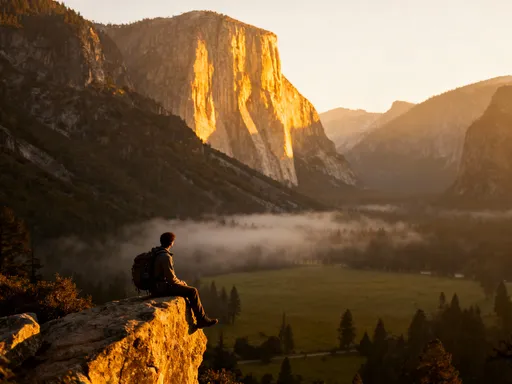
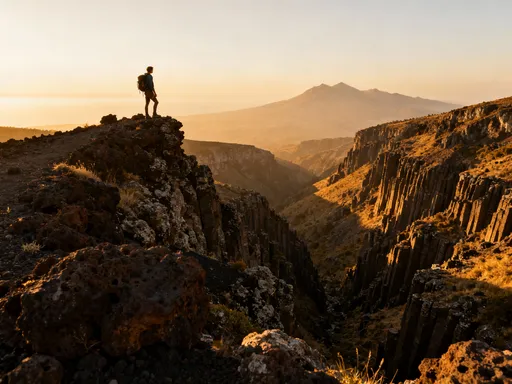
Have you ever visited a national park and felt like you were just ticking boxes? I did—until I tried slow travel in Yosemite. Instead of rushing to landmarks, I lingered. I watched light change on El Capitan at dawn, sat by quiet meadows, and truly saw the place. Protected areas like Yosemite aren’t meant to be rushed—they’re meant to be felt. This is what happens when you let nature set the pace. In a world that measures travel by checklists and photo counts, slowing down feels radical. Yet in Yosemite, where granite cliffs rise like ancient sentinels and rivers carve paths through centuries-old stone, time moves differently. When we align with that rhythm, we don’t just see the park—we begin to understand it.
Reimagining the National Park Experience
National parks were never designed for speed. They were established to preserve wild places, to protect ecosystems, and to offer people a chance to connect with the natural world. Yet in recent decades, iconic parks like Yosemite have become victims of their own popularity. Millions of visitors arrive each year, many following packed itineraries that move from Glacier Point to Tunnel View to Yosemite Falls in a single day. This kind of checklist tourism, while well-intentioned, often leads to surface-level engagement. The deeper layers of the landscape—the subtle shifts in light, the quiet rustle of animals in the underbrush, the way mist curls over the valley floor at dawn—go unnoticed.
Overtourism doesn’t just diminish the visitor experience; it has real consequences for the environment. Trails erode under heavy foot traffic, wildlife is disturbed by constant human presence, and sensitive habitats suffer from trampling and litter. In high-traffic zones, even the air feels different—charged with urgency, filled with voices raised over camera shutters and snack wrappers. But this isn’t the only way to experience a park. Slow travel offers an alternative: a way to engage deeply, tread lightly, and restore balance between people and place.
For many, the shift begins with a simple realization: seeing everything is not the same as truly seeing anything. When I first visited Yosemite, I followed a tightly scheduled plan. I arrived at sunrise, photographed Half Dome, hiked Mist Trail, and left before sunset. I checked the boxes, but I didn’t feel changed. Years later, I returned with no itinerary. I stayed in one valley for three days, visiting the same meadow each morning. I watched the light shift across the grass, noticed how deer moved through the same path at dawn, and heard the same songbird return to a particular pine each afternoon. That was the moment I understood—the park wasn’t meant to be consumed. It was meant to be witnessed, slowly and with presence.
Why Yosemite? The Soul of a Protected Landscape
Yosemite National Park stands as one of the most significant protected landscapes in the world. Spanning over 750,000 acres in California’s Sierra Nevada, it was among the first areas in the United States set aside for public enjoyment and preservation. Its towering granite formations, ancient sequoia groves, and cascading waterfalls have inspired generations of conservationists, artists, and travelers. But beyond its visual grandeur, Yosemite holds deep ecological and cultural value. It is a UNESCO World Heritage Site, recognized not only for its natural beauty but also for its role in the global story of environmental protection.
The park’s ecosystems are complex and interconnected. High-elevation meadows filter water that feeds the Merced and Tuolumne Rivers, which in turn supply clean water to communities far beyond the park boundaries. Mixed-conifer forests provide habitat for over 400 species of animals, including black bears, bobcats, and the elusive Pacific fisher. The giant sequoias of Mariposa Grove, some of the oldest living organisms on Earth, thrive in a delicate balance shaped by fire, elevation, and moisture. These systems function best when left undisturbed—a reality made possible by the park’s protected status.
Conservation in Yosemite isn’t just about saving trees or scenic views. It’s about maintaining the integrity of natural processes. Fire, once suppressed, is now carefully reintroduced to restore forest health. Wildlife corridors are preserved to allow animals to move freely. Visitor access is managed to reduce impact on fragile areas. These efforts reflect a deeper understanding: that nature does not exist for human convenience, but that humans are part of a larger web of life. When travelers slow down, they begin to see these connections. They notice how a single rainstorm swells a creek that feeds a wetland, or how a woodpecker’s nesting hole later shelters a small owl. These are the quiet stories of a living landscape—ones that only reveal themselves over time.
Slowing Down: What It Really Means in Practice
Slow travel is not just about moving at a leisurely pace. It is a mindset—a deliberate choice to prioritize depth over breadth, presence over productivity. In Yosemite, this means resisting the urge to visit every landmark in a single trip. It means staying in one area for multiple days, returning to the same trail at different times, and allowing space for stillness. It is the difference between seeing a waterfall and truly observing how it changes with the season—how it thunders in spring with snowmelt, trickles in late summer, and sometimes freezes into delicate sculptures by winter.
One of the most powerful practices of slow travel is repetition. Instead of chasing new views, return to the same spot—a quiet bend in the river, a sunlit clearing in the forest, a rocky outcrop with a view of the valley. Visit it in the morning, at noon, at dusk. Return the next day, and the next. Each time, something will be different. A bird may sing from a new branch. The wind may shift, carrying a different scent. The light may strike the granite in a way that transforms the entire mood of the place. These subtle shifts are easy to miss when moving quickly, but they form the heartbeat of the natural world.
Slowing down also means letting go of rigid schedules. It means allowing a two-mile walk to take three hours because you stopped to watch a spider weave its web, or because you sat and listened to the wind in the pines. It means being open to unplanned moments—a sudden rainbow over Yosemite Falls, a deer stepping out of the trees, a ranger sharing a story about the park’s history. These are not distractions from the journey; they are the journey. When we release the need to “maximize” our time, we make room for meaning.
Hidden Rhythms: Discovering Yosemite Beyond the Postcard Views
Most visitors know Yosemite through its iconic images—El Capitan at sunrise, Bridalveil Fall framed by green trees, Tunnel View overlooking the valley. These views are breathtaking, and they deserve their fame. But the park’s true character lies beyond the postcard moments, in the quieter, less-trafficked corners where nature unfolds at its own pace. These are the places where slow travelers find their rhythm.
Lower elevation meadows, such as those near El Portal or along the Crane Flat area, offer rich seasonal changes. In spring, they burst with wildflowers—lupine, poppies, and shooting stars. By summer, grasses turn golden, and butterflies drift on warm air. These meadows are alive with movement: ground squirrels darting between burrows, bees pollinating clover, hawks circling above. Because they are less crowded than valley hotspots, they provide space to observe without disruption.
Forest edges, where trees meet open spaces, are another hidden world. These transition zones support a diversity of life. Birds nest in the canopy, insects thrive in the understory, and mammals use the cover to move between feeding areas. At dawn and dusk, these edges come alive with activity. A black bear may forage for berries along a trail’s edge. A fox might slip through the trees, unnoticed in the fading light. These moments are not guaranteed, but they are more likely when one is present, patient, and unobtrusive.
One of the most profound experiences in Yosemite is watching the forest at twilight. In Mariposa Grove, as the sun dips below the canopy, the air cools and the giant sequoias stand like silent guardians. The sound of tourists fades, replaced by the rustle of leaves and the distant call of an owl. Along the Merced River, mist rises from the water, and the granite cliffs reflect a soft, silvery glow. These are not photo opportunities in the traditional sense—they are sensory immersions, moments of quiet awe that cannot be rushed or forced.
Staying Mindfully: Accommodations That Respect the Place
Where you stay shapes how you experience a park. In Yosemite, lodging choices range from campgrounds to historic lodges, each offering a different relationship with the landscape. For the slow traveler, the goal is not just comfort, but continuity—the ability to wake up in the same place, to see the same trees each morning, and to build a sense of belonging over time.
Campgrounds like Upper Pines, North Pines, and Hodgdon Meadow offer immersive experiences. Sleeping under the stars, hearing the night sounds of the forest, and starting the day with coffee beside a tent deepens the connection to place. These sites are designed to minimize environmental impact, with shared restrooms, bear-proof food storage, and strict waste disposal rules. Staying in a campground encourages simplicity and presence, removing the distractions of modern life and allowing space for reflection.
For those seeking more shelter, in-park cabins and lodges provide comfort without sacrificing connection. Properties like Yosemite Valley Lodge and The Ahwahnee (now known as Majestic Yosemite Hotel) are built to blend with the surroundings, using natural materials and low-impact design. Staying in these accommodations allows travelers to experience the park’s beauty while supporting infrastructure that respects its integrity. More importantly, remaining in one location for several nights fosters a rhythm—the same view from the window each morning, the same trailhead within walking distance, the same sense of place that grows richer with time.
Mindful lodging also means considering timing and impact. Visiting during shoulder seasons—late spring or early fall—reduces pressure on facilities and increases the chance of solitude. Reserving accommodations well in advance supports park planning and helps manage visitor flow. Above all, it means treating the stay not as a transaction, but as a temporary stewardship—a chance to live lightly and leave gently.
Engaging with Stewardship: How Travelers Can Protect What They Love
Every visitor to Yosemite has a role in its preservation. The park’s beauty is not guaranteed—it is the result of ongoing care, from park rangers to scientists to everyday travelers. Slow travel naturally aligns with stewardship, because it fosters awareness. When people spend more time in a place, they notice its vulnerabilities. They see the litter left behind, the trail worn bare by foot traffic, the animals stressed by close encounters. With awareness comes responsibility.
Following Leave No Trace principles is essential, but slow travelers go beyond rules. They practice them with intention. They pack out all waste, not because it’s required, but because they respect the land. They stay on marked trails, knowing that one step off can damage fragile soil or rare plants. They observe wildlife from a distance, understanding that even quiet presence can disrupt natural behavior. These actions are not burdens—they are expressions of care.
Participation in ranger-led programs deepens this connection. Walks focused on geology, birdwatching, or Native American history provide context and appreciation. Learning that the Ahwahneechee people once lived in the valley, or that the park’s waterfalls are fed by ancient snowpack, transforms a scenic view into a story. These programs remind visitors that Yosemite is not a static display, but a living, evolving place shaped by time and culture.
Supporting local conservation efforts is another way to give back. Donations to the Yosemite Conservancy fund trail restoration, wildlife research, and educational programs. Volunteering for clean-up days or citizen science projects allows travelers to contribute directly. Even small actions—choosing reusable water bottles, carpooling to the park, sharing responsible travel tips with others—create a ripple effect. When more people travel with care, the collective impact is profound.
The Ripple Effect: How Slow Travel Changes You
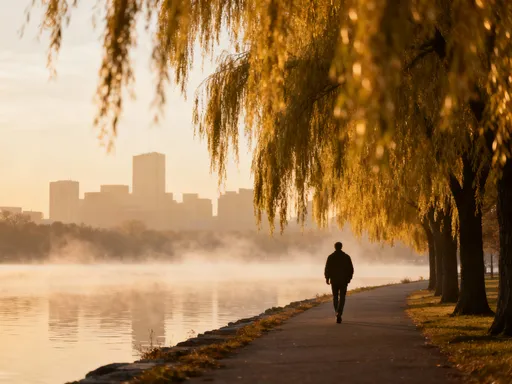
The transformation of slow travel begins in the landscape but ends within. Spending days in Yosemite without rushing rewires the mind. The constant hum of urgency fades. The need to document every moment lessens. Instead, a quieter awareness grows—a sense of being part of something larger. This shift is not dramatic, but it is deep. It changes how one sees not just parks, but the world.
Many slow travelers report a lasting change in mindset. They become more patient, more observant, more attuned to the rhythms of nature. They carry the stillness of the valley into their daily lives—pausing to notice the trees on their street, listening to birds in the morning, resisting the pull of constant busyness. The lessons of Yosemite—of patience, respect, and connection—become personal values.
This internal shift often leads to outward change. Travelers begin to seek depth in other experiences, not just in nature but in relationships, work, and community. They choose quality over quantity, presence over performance. They return to places they love, not to check them off again, but to deepen their understanding. They encourage friends and family to slow down, to sit longer, to listen more. In this way, the quiet practice of slow travel in Yosemite becomes a quiet revolution.
And perhaps that is the greatest gift of all—not just the protection of a landscape, but the transformation of a person. When we slow down, we stop being consumers of nature and become part of its story. We remember that we do not own the land, but we belong to it. In the stillness of Yosemite, where time is measured in centuries rather than minutes, we find a different way of being. One that is not about going farther, but about staying longer. One that does not seek to conquer, but to connect.
Slow travel in Yosemite isn’t just a different way to visit—it’s a different way to belong. By giving ourselves time, we stop being spectators and start being stewards. In the stillness, we remember that protected areas aren’t just preserved for scenery—they’re kept alive for connection. And sometimes, the deepest adventures aren’t about going farther, but staying longer.