This Is What Happens When Culture Explodes Into Color – Puno Never Sleeps
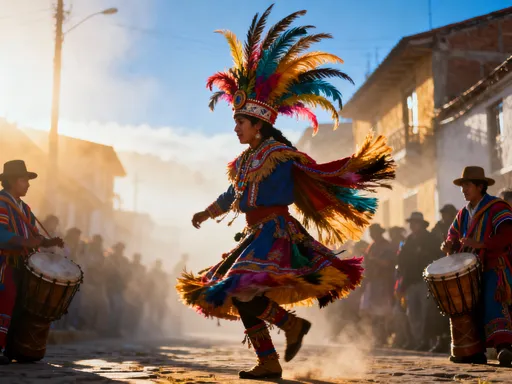
You know that feeling when you stumble upon something so alive, so raw, it redefines what travel photography means? That’s Puno during festival season. I’m talking dancers in feathered headdresses, drums shaking the Andean air, and streets pulsing with centuries-old energy. As a photographer, I thought I was ready—until I wasn’t. The colors, the movement, the emotion—it’s not just a show, it’s a story screaming to be captured. And you have to see it through the lens to believe it.
The Heartbeat of Puno: Why Festivals Define This Andean Gem
Nestled on the shores of Lake Titicaca, Puno is more than a high-altitude destination—it is a living archive of Andean identity. While its shimmering lake and floating islands attract global travelers, it is the city’s festivals that truly pulse with cultural life. Among them, the Fiesta de la Candelaria stands as the most vivid expression of this heritage. Celebrated every February, this 12-day festival blends indigenous Aymara and Quechua traditions with Catholic observances introduced during colonial times. Far from being a tourist performance, it is a deeply rooted community event, passed down through generations, where music, dance, and ritual are acts of remembrance and resistance.
What makes Puno’s festivals unique is their authenticity. These are not reenactments staged for cameras. They are sacred commitments upheld by hundreds of local brotherhoods known as *cofradías*, each responsible for preserving a specific dance, costume, or musical tradition. Participation is not optional—it is a duty, often inherited like a family heirloom. For many families, preparing for the festival begins months in advance, with sewing circles crafting elaborate costumes by hand and elders teaching children the precise steps of ancestral dances. This deep personal investment transforms the streets of Puno into a canvas of collective memory, where every feather, drumbeat, and footfall carries symbolic meaning.
Photographers are drawn to Puno precisely because of this intensity. Unlike curated cultural displays in other parts of the world, the festival offers unfiltered access to a living tradition. The energy is not manufactured; it is earned through devotion, endurance, and pride. From the early morning processions to the late-night street celebrations, the city becomes a stage where history dances in real time. To witness it is to understand that culture is not static—it breathes, evolves, and asserts itself with every performance. For those behind the lens, this authenticity is not just inspiring—it is transformative.
Fiesta de la Candelaria: A Photographer’s Dream Unfolds
If there is one moment when Puno becomes a photographer’s paradise, it is during the grand parade of the Fiesta de la Candelaria. This central event draws over 40,000 participants, including more than 200 registered dance troupes, each representing a different *cofradía* or community group. The scale is staggering—miles of procession winding through the city’s narrow streets, with performers moving in synchronized waves of color and rhythm. For a photographer, it is both a dream and a challenge: a visual feast that demands precision, timing, and emotional sensitivity.
The costumes alone are worth the journey. Some weigh up to 15 kilograms and take months to create, featuring hand-embroidered fabrics, mirrors, sequins, and intricate beadwork. Many dancers wear towering headdresses adorned with feathers, miniature figurines, and symbolic motifs representing animals, deities, or colonial figures. The *Morenada*, one of the most iconic dances, portrays enslaved Africans in colonial mines through rhythmic stomping and jingling ankle bells. The *Diablada*, meanwhile, features performers dressed as demons and angels in a symbolic battle between good and evil, their masks carved with dramatic expressions that seem to come alive in motion.
Capturing the essence of these performances requires more than a good camera—it requires strategy. The parade begins at dawn, when soft golden light spills over the Andean plateau, offering ideal conditions for silhouette shots and backlit portraits. This early hour also provides a rare moment of intimacy before the crowds swell. As the sun rises, the light becomes harsher, but the movement intensifies. This is the time for action shots—dancers mid-leap, drummers in full swing, children proudly mimicking their elders. Using continuous shooting mode and a fast shutter speed allows photographers to freeze motion without losing detail. Meanwhile, wide-angle lenses help convey the sheer scale of the procession, while telephoto lenses isolate emotional expressions behind the masks.
One of the most powerful photo opportunities lies in the contrast between discipline and spontaneity. While the dances follow strict choreography, the festival atmosphere is anything but rigid. Between performances, dancers laugh, rest, and interact with onlookers. These unguarded moments—mothers adjusting their child’s costume, musicians sharing a drink, elders offering quiet blessings—add depth to any visual narrative. They remind us that behind the spectacle is a community, not just performers. For photographers, these glimpses are gold: fleeting, genuine, and full of soul.
Chasing Light and Motion: Mastering Festival Photography in High Altitude
Photographing in Puno presents a unique set of challenges, chief among them the city’s elevation of 3,830 meters (12,560 feet) above sea level. The thin air affects not only the photographer but also the equipment. Breathing becomes labored, movements slow, and concentration harder to maintain—especially during long days of shooting. Acclimatization is not a suggestion; it is essential. Most seasoned photographers recommend arriving at least three to four days before the festival begins, allowing the body to adjust gradually. Staying hydrated, avoiding alcohol, and pacing oneself are critical to maintaining both physical stamina and mental clarity.
The high altitude also impacts camera performance. Batteries drain faster in cold, low-oxygen environments, so carrying multiple spares and keeping them close to the body for warmth is a practical necessity. Lenses can fog up when moving between indoor and outdoor spaces, particularly during sudden rain showers, which are common in the Andean summer. Using silica gel packs inside camera bags and allowing gear to acclimate slowly can prevent condensation damage. Additionally, dust is a constant concern—fine Andean soil can infiltrate camera sensors, so changing lenses should be done sparingly and only in sheltered areas.
From a technical standpoint, lighting conditions in Puno are both a gift and a challenge. The high-altitude sun is intense, casting strong contrasts and sharp shadows. While this can create dramatic visuals, it also risks overexposed highlights and lost detail in bright costumes. Shooting during the golden hours—just after sunrise and before sunset—offers softer, more diffused light, ideal for portraits and environmental shots. Overcast days, though less colorful, provide even lighting that minimizes harsh contrasts.
To capture motion effectively, photographers should use a combination of shutter speed and stabilization techniques. A shutter speed of 1/500th of a second or faster is recommended for freezing fast dance movements, while slower speeds (1/60th to 1/125th) can create intentional motion blur, conveying the energy and rhythm of the performances. Image stabilization, whether in-camera or through lens technology, helps reduce shake during handheld shooting. For those using DSLRs or mirrorless cameras, manual mode offers the most control, allowing adjustments for changing light and movement. Additionally, using back-button focusing can improve responsiveness when tracking moving subjects.
Ultimately, success in high-altitude festival photography depends on preparation and adaptability. The best images often come not from perfect conditions, but from the ability to respond to them. Whether it’s adjusting settings on the fly, finding shelter during a sudden downpour, or simply knowing when to rest—these decisions shape not just the quality of the photos, but the photographer’s experience of the festival itself.
Beyond the Parade: Hidden Moments That Tell Deeper Stories
While the grand parade is the festival’s most visible spectacle, some of the most powerful images emerge from the spaces between—the quiet, unscripted moments that reveal the heart of Puno’s cultural life. These behind-the-scenes scenes—families sewing costumes by lamplight, elders whispering blessings over masks, children rehearsing steps in narrow alleyways—carry emotional weight that staged performances often cannot match. They are not designed for cameras, which is precisely what makes them so compelling.
One of the most touching scenes a photographer might encounter is a grandmother helping her granddaughter adjust a heavy headdress before a performance. The care in her hands, the pride in her eyes—these are the details that tell a deeper story about lineage, love, and cultural continuity. Similarly, early morning rehearsals in community halls offer intimate access to the discipline behind the dance. Rows of dancers practice footwork in unison, their movements precise and deliberate. The focus on their faces, the sweat on their brows, the rhythm of their breath—all of these elements contribute to a richer visual narrative.
Gaining access to these private moments requires more than a camera; it requires trust. Many families view their costumes and rituals as sacred, not to be photographed without permission. Approaching with humility, speaking a few words of Spanish or even Aymara, and waiting patiently for consent can open doors that would otherwise remain closed. A simple smile, a respectful nod, or offering to share printed photos later can go a long way in building rapport. Some photographers carry small photo albums of their past work to show locals, demonstrating their intent to honor rather than exploit.
Another powerful subject is the intergenerational transmission of tradition. In one courtyard, a young boy might be learning the *Morenada* from his father, his small feet struggling to match the heavy steps. In another, a teenage girl practices her mask expression in a mirror, mimicking the fierce gaze of a demon from the *Diablada*. These moments are not just charming—they are vital. They show that the festival is not a performance frozen in time, but a living tradition being actively passed on. Photographing them is not just documentation; it is participation in a cultural legacy.
Choosing Your Base: Why Puno Town Beats Lake Titicaca Resorts for Festival Access
When planning a photography trip to the Fiesta de la Candelaria, one of the most important decisions is where to stay. While the idea of lodging on Lake Titicaca’s scenic islands or in lakeside eco-resorts may seem appealing, the reality is that Puno town offers far superior access to the festival’s core events. Most of the major parades, rehearsals, and community gatherings take place within the city center, making a centrally located guesthouse the most practical—and rewarding—choice for photographers.
Staying in Puno town means being within walking distance of the main procession routes, allowing early access to prime shooting locations. Many photographers arrive hours before the parade begins to secure the best vantage points, and having a short walk instead of a long boat or bus ride makes a significant difference, especially on cold mornings. Additionally, the town is where spontaneous street performances occur—impromptu dances, musical jams, and costume displays that happen between official events. These unplanned moments are often the most photogenic, and they are easily missed by those based outside the city.
Puno also offers better logistical support for photographers. Local guesthouses frequently host visiting performers and photographers, creating a network of cultural exchange. Some even organize guided walking tours to lesser-known rehearsal sites or private ceremonies. The city has reliable access to electricity, Wi-Fi, and printing services, which are essential for backing up photos, charging batteries, and sharing images with subjects. In contrast, accommodations on the lake may lack consistent power or internet, complicating workflow and limiting mobility.
Another advantage is proximity to cultural institutions like the Museo Carlos D. Valcárcel, which houses historical costumes, photographs, and artifacts from past festivals. Visiting the museum before the event can deepen a photographer’s understanding of the dances and symbols they plan to capture, leading to more informed and respectful imagery. Similarly, local markets offer opportunities to meet artisans who craft the elaborate masks and textiles, providing context and connection that enrich the photographic experience.
Ultimately, staying in Puno town is not just about convenience—it is about immersion. Being in the heart of the action allows photographers to feel the rhythm of the city, to anticipate moments before they happen, and to build relationships with the people who make the festival possible. It transforms the journey from observation to participation.
When to Go and What to Pack: A Realistic Festival Itinerary
Timing is everything when photographing the Fiesta de la Candelaria. The festival officially runs for 12 days in early February, but the peak events—including the grand parade—typically occur between February 2nd and 8th. To make the most of the experience, a 7-day itinerary is ideal, allowing time for acclimatization, exploration, and rest. Arriving four to five days before the main parade gives photographers a chance to adjust to the altitude, scout locations, and build rapport with local communities.
Day 1 should focus on rest and light activity. After arrival, it’s wise to avoid strenuous walking and instead take a slow stroll through the city center, visiting the main plaza and nearby markets. Hydration and light meals help the body adapt. Days 2 and 3 are perfect for reconnaissance—visiting rehearsal sites, photographing early costume preparations, and identifying the best angles for parade day. This is also the time to test camera settings in real conditions, adjusting for light and movement.
Days 4 through 6 are the most intense, coinciding with the festival’s climax. The grand parade usually takes place on February 7th or 8th, starting at dawn. Photographers should arrive by 5:30 a.m. to secure a spot along the route. Bringing a small stool or cushion can help with comfort during long waits. After the parade, the city erupts into street celebrations that last late into the night—ideal for candid shots of dancing, music, and community joy.
Packing wisely is crucial. Layered clothing is essential due to fluctuating temperatures—cold mornings give way to warm afternoons, followed by chilly nights. A waterproof jacket, thermal base layers, a warm hat, and gloves are recommended. For gear, a reliable DSLR or mirrorless camera with at least two lenses (a 24-70mm zoom and a 70-200mm telephoto) covers most scenarios. Extra batteries, memory cards, a portable charger, and a dust-proof camera bag are non-negotiable. A notebook for jotting down stories or Spanish phrases—like *¿Puedo tomar una foto?* (May I take a photo?)—can also help build connections.
Finally, scheduling rest is just as important as planning shoots. The festival’s energy is contagious, but exhaustion can lead to missed moments or poor decisions. Taking breaks, staying hydrated, and eating regular meals ensure that photographers remain alert and present throughout the journey.
Responsible Lens: Ethical Photography in Sacred Spaces
As the popularity of Puno’s festivals grows, so does the need for ethical awareness among photographers. While the visual richness is undeniable, it is vital to remember that these are not performances for entertainment—they are sacred expressions of identity and faith. Many rituals have spiritual significance, and certain moments, such as blessings or private ceremonies, should not be photographed without explicit permission.
Respect begins with asking. A simple gesture, a smile, or a polite question in Spanish can make all the difference. If someone declines, the decision must be honored without argument. Avoid using long lenses to capture images from a distance without consent—this can feel invasive and disrespectful. Similarly, flash photography should be avoided during ceremonies, as it can disrupt the mood and distract participants.
Another ethical practice is reciprocity. Sharing printed photos with subjects—especially children and elders—can create lasting bonds and show genuine appreciation. Some photographers bring small photo books or postcards to gift to families who allow them to document their traditions. Supporting local artisans by purchasing masks, textiles, or souvenirs also contributes to the community’s cultural sustainability.
Ultimately, ethical photography is about humility. It is about recognizing that the camera does not grant ownership over a culture. The best images are not those that exploit spectacle, but those that honor dignity, resilience, and humanity. When photographers approach Puno with respect, their work becomes more than art—it becomes a tribute.
Photographing Puno’s festivals isn’t just about capturing beauty—it’s about honoring resilience. Every frame holds a legacy older than memory, a rhythm passed from generation to generation. When you press that shutter, you’re not just a visitor with a camera. You’re a witness. And if you go with respect, that’s the most powerful image of all.