You Won’t Believe How Palawan’s Architecture Tells Its Island Soul
Palawan isn’t just turquoise waters and limestone cliffs—its buildings whisper stories of culture, climate, and craftsmanship. I never expected to be so moved by a roofline or a wooden stilt house. From indigenous *bahay kubo* designs to Spanish-era influences and modern eco-resorts, Palawan’s architectural style is a living timeline. It blends function with beauty, tradition with innovation. This is more than travel eye candy—it’s soul-deep design shaped by nature and heritage. Every structure, whether nestled in a remote village or rising gently above a coral cay, reflects a deep-rooted understanding of balance. These buildings don’t conquer the landscape—they belong to it. In a world where development often means disruption, Palawan offers a rare example of harmony, where shelter is not just practical but poetic, and where architecture becomes a quiet testament to resilience, respect, and identity.
First Impressions: When Nature Meets Structure
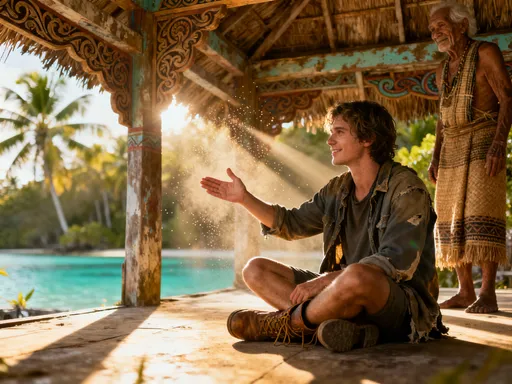
Upon arriving in Palawan, the harmony between landscape and built environment strikes immediately. Unlike typical tropical resorts that dominate their surroundings, structures here seem to grow from the earth. As travelers step off boats onto small island docks or walk down coastal paths, they encounter buildings that mirror the rhythm of the tides, the sway of palm trees, and the breath of the jungle. Traditional materials like nipa palm, bamboo, and hand-carved hardwood define early encounters. These aren’t just aesthetic choices—they respond to humidity, monsoon rains, and coastal winds. The elevated homes, open-air pavilions, and gently sloping roofs are not random; they are answers to centuries of environmental challenges. What makes this integration so seamless is not merely design but wisdom—wisdom passed down through generations of islanders who understood that survival depended on working with nature, not against it.
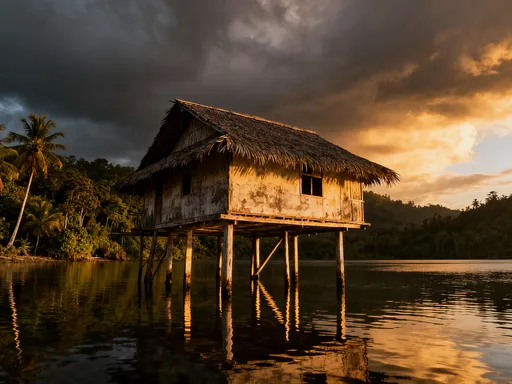
The island’s geography plays a crucial role in shaping its architecture. Palawan stretches over 450 kilometers from north to south, encompassing coastal plains, dense rainforests, limestone karsts, and hundreds of offshore islets. Each micro-environment demands different structural responses. Along the coast, homes are built on stilts to withstand storm surges and seasonal flooding. Inland villages use heavier timber and tighter thatching to resist strong winds. Even the orientation of buildings is deliberate—angled to catch sea breezes or shield interiors from the midday sun. Architects and builders observe the natural flow of air and water, designing homes that breathe and drain naturally. This responsiveness is not a modern innovation but an ancestral practice refined over time.
What stands out most is the absence of visual clutter. There are no towering concrete hotels blocking the horizon or garish signs disrupting the serenity. Even modern developments in tourist areas like El Nido and Coron follow low-impact design principles. Buildings are kept low, spaced apart, and integrated into the natural slope of the land. Green roofs, permeable walkways, and solar panels are common, yet subtly incorporated. The goal is not to impress but to coexist. This philosophy creates a sense of calm upon arrival—a feeling that one has entered a place where human presence is measured, respectful, and intentional. For visitors, this quiet integration becomes part of the island’s allure, offering not just scenic beauty but a deeper lesson in sustainable living.
Roots of Design: Indigenous Architecture and the *Bahay Kubo* Legacy
The classic Filipino *bahay kubo*—an elevated hut with a steep thatched roof—is deeply rooted in Palawan’s rural communities. More than just a house, it is a symbol of resilience, adaptability, and cultural continuity. Found across the archipelago, the *bahay kubo* takes on unique expressions in Palawan, shaped by the island’s diverse ethnic groups, including the Tagbanwa, Palaw’an, and Batak. Each community adapts the basic form to local conditions, using available materials and responding to environmental pressures. The result is a living tradition—one that has evolved without losing its essence. These homes are not relics of the past but active, inhabited spaces where daily life unfolds in rhythm with nature.
The design of the *bahay kubo* is deceptively simple but profoundly intelligent. Raised floors, typically two to three meters above ground, serve multiple purposes: they protect against flooding during the rainy season, reduce exposure to insects and snakes, and allow air to circulate freely beneath the living space. The steeply pitched roof, often covered in nipa thatch, efficiently sheds heavy rainfall and creates an upward draft that pulls hot air out of the interior. Walls are usually made of woven bamboo or palm leaves, providing shade while allowing ventilation. Open layouts encourage airflow and foster social interaction, reflecting a communal lifestyle where privacy is balanced with connection.
More than shelter, these homes reflect a worldview. The Tagbanwa, for example, see land not as property but as a shared resource, and their homes reflect this philosophy. Structures are built to be temporary, using materials that return easily to the earth. When a family moves or a house deteriorates, it can be dismantled without lasting impact. This impermanence is not a sign of fragility but of respect—for the forest, for future generations, and for the cycles of nature. The placement of homes within the village also follows social and spiritual principles. Elders’ houses are often centrally located, and communal spaces are designed for gatherings, storytelling, and rituals. In this way, architecture becomes a vessel for culture, reinforcing values through spatial organization.
Despite modernization, many families continue to build and live in *bahay kubo*-style homes. Some incorporate metal roofing or concrete foundations for durability, but the core principles remain. In remote areas, young people still learn how to weave walls, thatch roofs, and carve support posts from hardwood. These skills are passed down informally, through observation and practice. Local schools and cultural organizations are beginning to recognize the value of preserving these traditions, offering workshops and documentation projects to ensure that indigenous knowledge is not lost. The *bahay kubo* is no longer just a house—it is a statement of identity, a living link between past and present.
Colonial Echoes: Spanish and American Influences in Stone and Wood
Though less dominant than in Manila or Vigan, traces of colonial architecture linger in Palawan’s older towns, particularly in Puerto Prinsesa and some coastal settlements. The Spanish presence, though brief and less intensive in this region, left subtle marks in the form of coral stone churches, thick-walled administrative buildings, and arched doorways. These structures, often built in the 18th and 19th centuries, reflect an attempt to impose permanence in a landscape that resists rigidity. Coral stone, quarried from nearby reefs, was a primary building material—durable and readily available, yet labor-intensive to shape. The resulting walls are thick, providing insulation against heat and humidity, and their weathered surfaces now blend naturally with the tropical surroundings.
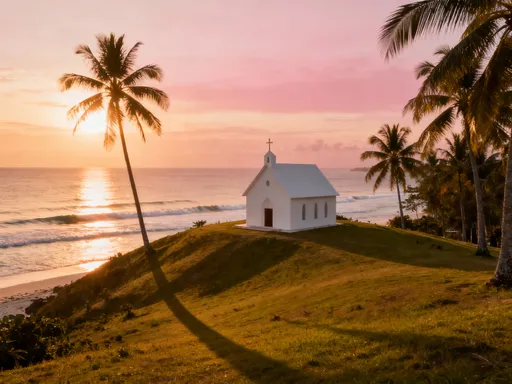
One of the most notable examples is the ruins of old Spanish-era watchtowers and small chapels scattered along the coast. These were not grand cathedrals but modest outposts designed for surveillance and spiritual outreach. Their simple forms—rectangular layouts, small windows, and barrel-vaulted roofs—were adapted to the local climate. Arched windows allowed for airflow while minimizing direct sunlight. Tiled roofs, imported or locally produced, replaced thatch in some cases, offering better fire resistance. Yet even these colonial structures were modified by local builders, who incorporated native techniques such as elevated floors and open verandas. The fusion of Spanish design with indigenous practicality created a hybrid style that was neither fully European nor entirely local, but uniquely Palawan.
Later, during the American colonial period in the early 20th century, new architectural influences emerged. Wider verandas, louvered windows, and high ceilings became common in government buildings and homes of officials. These features were designed for tropical comfort, allowing maximum airflow and shade. Wood replaced stone as the primary material, making construction faster and more flexible. The American emphasis on functionality and hygiene led to improved sanitation systems and more durable roofing materials. However, these changes did not erase local traditions. Instead, they were absorbed and adapted. Many homes built during this era combined American-style porches with *bahay kubo* layouts, creating a transitional style that bridged cultures.
What is remarkable is how Palawan resisted full architectural assimilation. Unlike other parts of the Philippines where colonial styles dominated urban centers, Palawan’s remote location and strong indigenous communities ensured that outside influences were filtered through local needs. Colonial buildings were not copied wholesale but reinterpreted. Even today, one can see this layering in older homes where coral stone foundations support wooden upper floors, or where louvered windows frame views of the jungle. These structures stand as quiet reminders of history, not as symbols of conquest but as evidence of adaptation. They show that cultural exchange does not require erasure—that identity can evolve without being lost.
Eco-Resorts Redefined: Where Sustainability Meets Aesthetic Innovation
Modern sustainable resorts in El Nido and Coron exemplify architectural evolution. Built on stilts over water or nestled into jungle slopes, they use recycled materials, solar power, and rainwater harvesting systems. These developments represent a new chapter in Palawan’s design story—one that honors tradition while embracing innovation. Unlike mass-market resorts that flatten landscapes and import foreign aesthetics, eco-resorts in Palawan are designed to disappear into their surroundings. Their forms echo the curves of the coastline, the height of the canopy, and the texture of the forest floor. The result is luxury that feels light on the land, where comfort and conservation coexist.
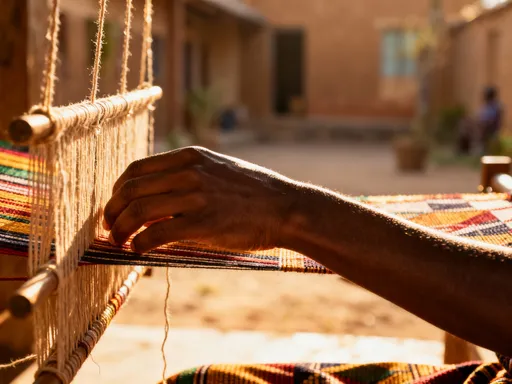
One of the defining features of these resorts is their use of local materials and craftsmanship. Designers collaborate with artisans from nearby communities, incorporating traditional weaving patterns into ceiling panels, wall screens, and furniture. Nipa thatch, bamboo, and reclaimed hardwood are standard, reducing the carbon footprint and supporting local economies. Some resorts even train staff in traditional building techniques, ensuring that knowledge is preserved and valued. The buildings themselves are engineered for minimal environmental impact—raised on stilts to protect root systems, oriented to maximize natural light, and constructed with modular components that reduce waste.
Beyond materials, these resorts integrate advanced sustainability systems. Solar panels are discreetly installed on rooftops or shaded areas, providing energy for lighting and water heating. Rainwater is collected in underground cisterns and filtered for use in bathrooms and irrigation. Wastewater is treated through natural filtration systems using reeds and gravel, returning clean water to the environment. Some properties have eliminated single-use plastics entirely, offering bamboo straws, handmade soaps, and refillable dispensers. These practices are not marketed as gimmicks but presented as part of the guest experience—a way to connect with the island’s ethos of care and balance.
Perhaps most importantly, these resorts prioritize guest awareness. Information boards, guided tours, and staff conversations educate visitors about the building’s design choices and environmental policies. Guests are encouraged to participate—by conserving water, avoiding litter, and respecting wildlife. This educational dimension transforms tourism from passive consumption to active engagement. Travelers leave not only with memories but with insights they can apply at home. In this way, eco-resorts become more than places to stay—they become models of responsible development, demonstrating that beauty and sustainability are not mutually exclusive.
Urban vs. Rural: Contrasting Styles in Puerto Prinsesa and Remote Villages
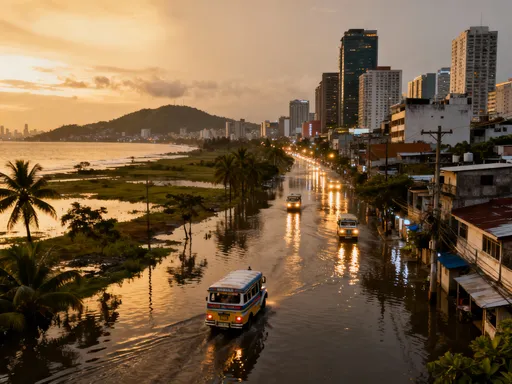
Puerto Prinsesa, the capital of Palawan, presents a fascinating contrast between urban development and vernacular design. The city skyline is a mix of modern concrete buildings, government offices, and shopping centers, yet even here, elements of traditional architecture persist. Green roofs, open-air markets, and shaded walkways reflect a continued respect for climate-responsive design. Some newer buildings incorporate bamboo accents, wide eaves, and natural ventilation strategies, blending contemporary needs with local wisdom. Public spaces often feature open layouts that encourage airflow and social interaction, echoing the communal spirit of rural villages.
In contrast, remote villages maintain hand-built homes with minimal imported materials. Here, construction is a community effort, with families relying on shared labor and locally sourced wood, thatch, and stone. Tools are simple—axes, machetes, and hand drills—and techniques are passed down orally. These homes are not built for permanence but for function and flexibility. When a family grows or relocates, the house can be expanded or dismantled with ease. This approach stands in stark contrast to urban construction, where buildings are often seen as long-term investments requiring permits, loans, and standardized materials.
This contrast raises important questions about the future of architectural authenticity. As Puerto Prinsesa grows, there is pressure to adopt standardized, cost-effective building methods that often favor concrete and steel. While these materials offer durability and fire resistance, they also contribute to heat retention, pollution, and loss of cultural identity. Some planners and architects are advocating for hybrid models—urban buildings that incorporate traditional ventilation, natural lighting, and local materials. Pilot projects have shown promise, with mixed-use developments featuring bamboo facades, rain gardens, and community courtyards.
Interviews with local builders and city planners reveal both tension and hope. Older generations express concern that traditional skills are disappearing, while younger people are divided—some eager to embrace modernity, others passionate about preserving heritage. Cultural organizations are working to bridge this gap by offering apprenticeships, documentation programs, and design competitions that celebrate indigenous architecture. The challenge is not to freeze Palawan in time but to allow it to evolve in a way that honors its roots. The goal is not to choose between progress and tradition but to find a path where both can thrive.
Materials That Matter: From Nipa Thatch to Reclaimed Lumber
The choice of building materials defines Palawan’s architectural character. Nipa palm thatch, harvested from coastal wetlands, is one of the most iconic. It cools naturally, insulates against heat, and is biodegradable. However, it lasts only three to five years and requires skilled labor to install properly. Bamboo, another staple, is fast-growing, strong, and versatile. It is used for walls, flooring, scaffolding, and even structural frames. When treated correctly, bamboo can last decades, making it a sustainable alternative to timber. Hardwood, sourced from responsibly managed forests, provides durability for posts, beams, and carvings. Yet its use raises concerns about deforestation and overharvesting, prompting calls for stricter regulations and reforestation efforts.
Today, innovative projects are blending tradition with modern technology. Some builders use compressed bamboo panels, which are stronger and more uniform than raw stalks, for walls and ceilings. Reclaimed driftwood, salvaged from beaches after storms, is repurposed into furniture and decorative elements. Recycled metal roofing, made from scrap iron or aluminum, offers a longer-lasting alternative to thatch while maintaining a low environmental impact. These materials are not just practical—they carry cultural meaning. The act of reusing and repurposing reflects a deep respect for resources, a value long embedded in Palawan’s way of life.
Sourcing practices are also evolving. Some communities have established cooperatives to manage forest resources sustainably, ensuring that harvesting does not exceed regrowth rates. Others partner with NGOs to implement reforestation programs and protect endangered tree species. Builders are increasingly trained in eco-friendly techniques, such as non-toxic wood treatments and passive cooling design. These efforts are supported by government incentives and tourism certifications that reward sustainable practices. As awareness grows, so does demand for authentic, environmentally responsible construction.
The cultural significance of materials cannot be overstated. In many communities, the act of gathering and preparing building materials is a ritual in itself. Families may hold ceremonies before cutting trees, offering thanks to the forest spirits. The selection of wood is guided by elders who know which species are strong, flexible, or resistant to termites. Even the weaving of walls follows symbolic patterns, some believed to bring protection or good fortune. These traditions transform construction from a technical task into a spiritual practice, reinforcing the connection between people, place, and purpose.
The Future of Palawan’s Architecture: Balancing Growth and Heritage
As tourism expands, so does construction. Unregulated development threatens both ecology and design integrity. Unauthorized resorts, poorly managed waste systems, and unchecked land conversion have led to erosion, pollution, and habitat loss in some areas. The pressure to accommodate more visitors has sometimes come at the cost of cultural authenticity. In response, there is a growing movement to codify sustainable building codes and train youth in traditional techniques. Architects, environmentalists, and community leaders are collaborating to create guidelines that protect both natural and cultural heritage.
One promising initiative is the concept of “slow architecture”—design that takes time, listens to place, and honors context. This approach rejects rapid, profit-driven development in favor of thoughtful, site-specific projects. Buildings are planned after thorough environmental assessments, with input from local residents and elders. Construction is phased to minimize disruption, and materials are sourced as locally as possible. The result is development that feels organic, not imposed. This philosophy is gaining traction among boutique developers, conservation groups, and government agencies.
Education plays a crucial role in this transformation. Technical schools in Palawan now offer courses in sustainable building, traditional craftsmanship, and eco-tourism design. Students learn how to combine modern engineering with ancestral knowledge, creating structures that are safe, beautiful, and culturally meaningful. Some graduates return to their villages to lead rebuilding projects, bringing new skills while respecting old ways. Others work with NGOs to document endangered architectural forms before they disappear. These efforts ensure that Palawan’s design legacy is not only preserved but revitalized.
The final question remains: Can Palawan build for tomorrow without losing its soul? The answer lies in balance—in recognizing that growth does not require erasure, and that modernity can coexist with memory. The island’s architecture has always been a dialogue between necessity and beauty, between people and place. By continuing to listen to the land, honor tradition, and innovate with care, Palawan can offer the world a model of sustainable living that is as enduring as it is inspiring.
Conclusion
Palawan’s architecture is more than shelter—it’s a dialogue between people and place. Each curve of a roof, each raised floor, carries meaning shaped by climate, culture, and history. To travel here is to witness design born of necessity and refined by beauty. From the humble *bahay kubo* to the thoughtful eco-resort, every structure tells a story of adaptation, respect, and resilience. Protecting this legacy isn’t just about preserving buildings—it’s about honoring a way of life. As the island faces the pressures of growth and change, its architectural wisdom offers a compass: to build not for dominance, but for harmony; not for permanence, but for balance. In a world searching for sustainable solutions, Palawan stands as a quiet but powerful example—where the soul of a place is written in wood, thatch, and stone, and where the future can be built with reverence for the past.