You Won’t Believe These Iconic Spots I Checked Into in Boracay
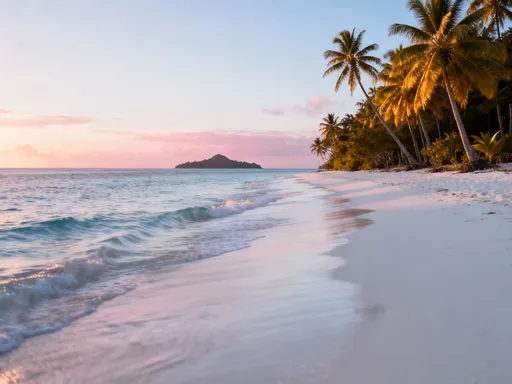
Boracay isn’t just about powdery white sand and sunset parties—hidden among its tropical charm are stunning landmark buildings that blend culture, design, and island vibes. From striking chapels perched on hills to architecturally bold resorts that define the skyline, my check-in journey uncovered structures that tell stories. These aren’t just backdrops for photos—they shape the soul of your trip. Let me take you through the ones you absolutely can’t miss.
First Glimpse: Arrival in Boracay and the Architecture That Surprises You
Travelers often think of Boracay as a destination defined solely by its beaches, but the architectural journey begins long before reaching the shore. The moment you step off the plane at Godofredo P. Ramos Airport in Caticlan, the island’s aesthetic philosophy quietly unfolds. The terminal itself, though modest, reflects a growing intention to harmonize function with Filipino design sensibilities. With its open-air layout, wooden accents, and natural ventilation, it avoids the sterile feel of conventional airports, instead offering a breath of tropical authenticity.
The brief boat ride from Caticlan to the island intensifies this sense of transition. As the coastline draws closer, the first structures visible along the shoreline—resort entrances, dockside kiosks, and signage—begin to reveal a pattern. Here, architecture doesn’t shout; it whispers. You’ll notice how some resorts use native materials like capiz shells, bamboo, and coral stone in their façades, creating a visual bridge between modern comfort and local tradition. Even the tricycles that ferry guests inland often feature hand-painted motifs and floral embellishments, turning transportation into a cultural experience.
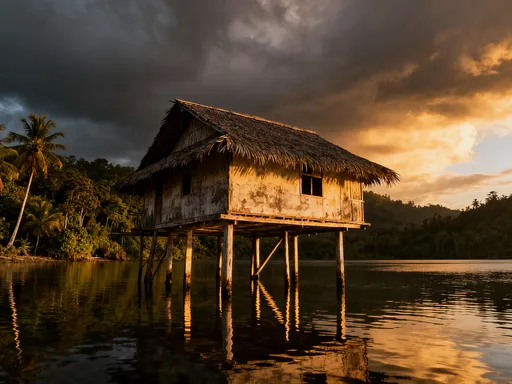
What makes this initial architectural impression so powerful is its contrast. On one hand, there are the humble nipa huts—traditional Filipino dwellings with thatched roofs and woven walls—that still dot the island’s quieter corners. On the other, sleek resort lobbies with glass walls and minimalist lines rise just a few meters away. This juxtaposition isn’t chaotic; it’s intentional. It reflects Boracay’s evolution from a quiet fishing village to a world-renowned destination while striving to honor its roots. The built environment, in this sense, becomes a narrative device—telling the story of change without erasing history.
Why does this matter for travelers, especially those in the 30–55 age group who value meaningful experiences? Because architecture shapes mood, memory, and connection. A well-designed space can ease the stress of travel, invite relaxation, and deepen cultural appreciation. When you arrive at a resort whose entrance curves like a wave or whose lobby opens to a garden courtyard, you’re not just checking in—you’re being welcomed into a thoughtfully crafted experience. These early visual cues set the tone for the entire stay, making architecture not an afterthought, but a silent host.
The Chapel on the Hill: A Quiet Landmark with a Big Presence
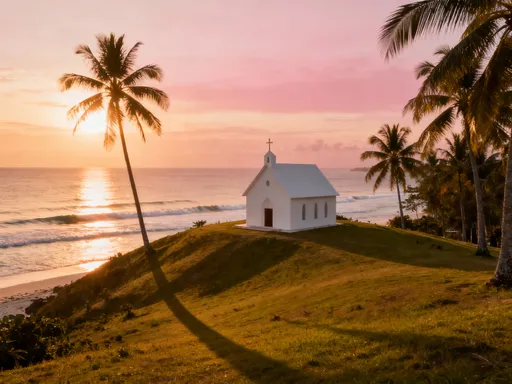
Perched gracefully on a gentle slope in Station 1, the white chapel of Boracay stands as one of the island’s most photographed and emotionally resonant structures. Its clean lines, arched windows, and ivory façade glow under the tropical sun, creating a serene presence that contrasts beautifully with the vibrant energy of nearby beach clubs and restaurants. While many visit for wedding ceremonies or vow renewals, the chapel also serves as a sanctuary for quiet contemplation—a place where the rhythm of the waves replaces the noise of daily life.
Architecturally, the chapel is a masterclass in minimalism. It avoids ornate details, relying instead on proportion, light, and location to create impact. The interior is uncluttered, with wooden pews, soft natural lighting filtering through high windows, and a simple altar framed by an open view of the sea. This design philosophy allows the surroundings to become part of the experience. During sunset, the sky paints the walls in hues of gold and rose, transforming the space into a living canvas. The absence of loud religious iconography makes it inclusive, welcoming visitors of all beliefs—or none at all.
What truly sets the chapel apart is how it enhances rather than competes with nature. Unlike buildings that dominate their environment, this structure recedes into the landscape, letting the ocean and sky take center stage. The architects clearly understood that on an island defined by natural beauty, the best design often means knowing when to step back. The elevated position offers panoramic views, but the scale remains human, intimate, and approachable. It’s not a monument to grandeur, but a gesture of reverence—for love, for peace, for the moment.
For many visitors, especially women traveling with family or friends, the chapel represents more than a tourist stop. It’s a place to pause, reflect, and reconnect. Whether lighting a candle in memory of a loved one, writing a personal intention on a prayer card, or simply sitting in silence with a friend, the experience feels grounding. In an age where travel often means constant movement, the chapel offers something rare: stillness. And in that stillness, many find clarity, comfort, and a deeper sense of connection to the island and themselves.
Resorts as Landmarks: When Design Defines the Skyline
On an island where the horizon is typically reserved for sunsets and sailboats, certain resorts have earned their place as architectural landmarks. Properties like Henann Grand Palace and Discovery Shores are not just places to stay—they are destinations in their own right, shaping Boracay’s identity through bold design choices. These resorts don’t merely occupy space; they reinterpret it, blending luxury with local character in ways that feel both grand and authentic.
Henann Grand Palace, for instance, stands out with its elegant façade inspired by Spanish colonial architecture, complete with arched colonnades, stucco walls, and terracotta roofing. Yet, it avoids feeling out of place. The design incorporates open-air corridors that invite sea breezes, lush interior gardens that blur the line between indoors and outdoors, and elevated walkways that offer guests private views of the beach below. The result is a resort that feels both regal and relaxed—a palace that doesn’t demand formality, but offers comfort on a grand scale.
Discovery Shores takes a different approach, embracing contemporary tropical design with clean lines, expansive glass walls, and a layout that prioritizes privacy and immersion in nature. The resort’s central lagoon pool, surrounded by cabanas and native palms, functions as a visual and social heart. Its architecture emphasizes flow—between rooms, gardens, dining areas, and the beach—creating a seamless journey for guests. Even the staff pathways are thoughtfully concealed, preserving the illusion of tranquility.
What makes these resorts iconic is not just their size or luxury, but their contribution to Boracay’s visual language. They prove that high-end design can coexist with environmental sensitivity. Both properties use local stone, sustainably sourced wood, and natural shading techniques to reduce energy consumption. Their heights are kept low to preserve sightlines to the sea, and their footprints are designed to minimize disruption to coastal ecosystems. In doing so, they set a standard for responsible luxury—one that future developments on the island are increasingly expected to follow.
The Boardwalk Evolution: From Functional Path to Architectural Statement
Once a simple wooden pathway meant to protect the beach from erosion and foot traffic, the Boracay Boardwalk has evolved into one of the island’s most beloved public spaces. Stretching along parts of Stations 1 and 2, it now serves as a curated promenade where locals and tourists alike stroll, jog, or simply sit and watch the world go by. What was once purely functional has become a symbol of thoughtful urban design—proof that infrastructure can be both practical and beautiful.
The current design of the boardwalk reflects lessons learned during Boracay’s 2018 rehabilitation. The new structure uses durable, weather-resistant materials like reinforced concrete and treated bamboo, ensuring longevity without sacrificing aesthetic appeal. The railings, crafted from woven bamboo, echo traditional Filipino craftsmanship, while ambient LED lighting enhances safety and mood after dark. Integrated seating areas, shaded by native trees or pergolas, invite rest and conversation, turning the boardwalk into a social spine for the island.
But beyond its physical form, the boardwalk represents a shift in how public spaces are valued. It’s no longer just a route from point A to point B—it’s a destination. Vendors along the way sell fresh coconut water, handmade crafts, and local snacks, creating a gentle rhythm of commerce and culture. Exercise stations cater to health-conscious visitors, while designated zones for street performers add a touch of spontaneity. The boardwalk has become a living room for the community, a place where different generations and backgrounds come together.
For the 30–55 demographic, especially women who often prioritize safety, accessibility, and meaningful interaction, the boardwalk offers an ideal setting. It’s flat, well-lit, and free of motorized traffic, making it perfect for early morning walks or evening strolls with family. It also provides a low-pressure way to engage with local life—observing artisans at work, chatting with vendors, or simply enjoying the breeze. In its quiet way, the boardwalk fosters connection: to the island, to its people, and to the simple joy of being present.
Hidden Gems: Lesser-Known Structures with Character
While the chapel and resorts command attention, some of Boracay’s most compelling architecture lies off the beaten path. These are the quiet spaces—artisan centers, eco-lodges, community halls—that don’t appear in glossy brochures but speak volumes about the island’s evolving identity. They reflect a growing commitment to sustainability, cultural preservation, and community-driven design.
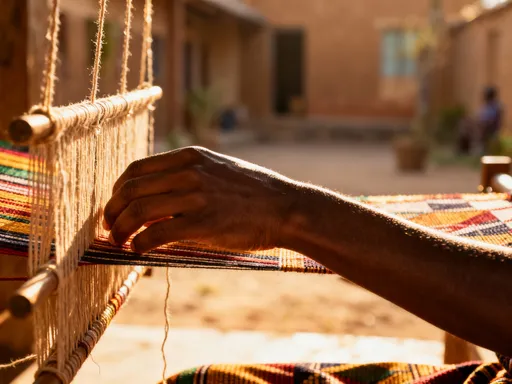
Take, for example, the small eco-workshops scattered near the hinterlands of Manoc-Manoc. Some are built entirely from recycled materials—reclaimed wood, repurposed fishing nets, and even old boat hulls transformed into roof panels. Their façades often feature traditional weaving patterns, created by local women’s cooperatives using native fibers like buri and pandan. These structures aren’t just functional; they are expressions of resilience and creativity, turning environmental challenges into artistic opportunities.
Another example is the community health and wellness center near Yapak, designed with passive cooling techniques to reduce reliance on air conditioning. Its high ceilings, cross-ventilation windows, and green roof help maintain comfort even in peak heat. The building hosts yoga classes, maternal health programs, and nutrition workshops—services that directly benefit local families. Its architecture supports its mission, creating a space that feels healing before a single session begins.
These lesser-known buildings matter because they represent a different kind of tourism—one that values depth over dazzle. For travelers seeking authenticity, they offer a chance to see how Boracay is reinventing itself beyond the beach. They also provide opportunities for meaningful engagement: purchasing handmade goods, participating in workshops, or simply appreciating the care that goes into sustainable design. In a world where mass tourism often flattens local character, these structures stand as quiet acts of preservation and pride.
Balancing Beauty and Sustainability: How Architecture Adapts to Island Limits
The 2018 rehabilitation of Boracay was a turning point—not just for the environment, but for the island’s architectural future. After years of unchecked development strained its fragile ecosystem, a six-month closure allowed for critical reforms. Among the most lasting impacts was the overhaul of building regulations, which now prioritize sustainability, scale, and harmony with nature. These changes didn’t erase Boracay’s charm; they refined it.
Today, new constructions must adhere to strict guidelines. Buildings are limited in height—typically no more than three to four stories—to preserve ocean views and prevent overcrowding. Setbacks from the shoreline are enforced to protect dunes and nesting areas. Materials must be environmentally appropriate, with incentives for using renewable resources and rainwater harvesting systems. Even lighting is regulated to reduce light pollution, ensuring sea turtles can nest safely at night.
One of the most visible changes is the rise of green architecture. Resorts and private homes increasingly incorporate living roofs covered in native plants, which provide insulation and support biodiversity. Permeable pavements allow rainwater to seep into the ground, reducing runoff and flooding. Solar panels, once rare, are now a common sight, quietly powering everything from guest rooms to water heaters.
These measures reflect a deeper understanding: that beauty and responsibility are not opposites, but partners. The most admired buildings today are those that disappear into the landscape, that serve people without harming nature, that last without exploiting resources. This shift hasn’t slowed development—it’s redirected it toward smarter, more thoughtful growth. For visitors, this means a Boracay that feels cleaner, calmer, and more authentic—a place where luxury doesn’t come at the planet’s expense.
Your Check-In Checklist: How to Appreciate Boracay’s Built Environment
As you plan your next visit, consider expanding your travel checklist beyond beach time and dining. Take a moment to notice the architecture around you. Start with timing—visit the white chapel at golden hour, when the light turns soft and the shadows stretch long. Watch how the sun hits the façade of a resort, how the boardwalk glows under evening lamps, how the leaves filter light onto a garden path. These moments reveal the poetry of design.
Look for details: the texture of a wall, the curve of a staircase, the way a doorway frames a view. Many resorts offer guided walks or cultural tours that include architectural insights—ask at the front desk. Some even collaborate with local architects or designers who can explain the thinking behind their spaces. These conversations add layers to your stay, transforming a simple vacation into a learning experience.
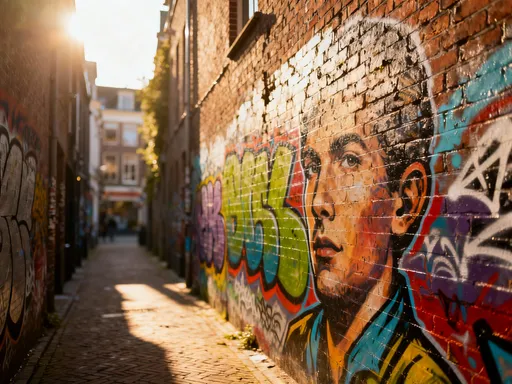
Don’t overlook the small structures. A roadside pavilion, a fisherman’s shed, a community art wall—each tells a story. Carry a small notebook or use your phone to capture what moves you. Share your observations with travel companions; you’ll be surprised how much more you notice when you slow down and look closely.
Finally, remember that appreciating architecture isn’t about expertise—it’s about curiosity. You don’t need to know the name of a style or the year a building was constructed to feel its impact. What matters is presence. When you stand in a space and feel calm, inspired, or connected, you’re experiencing the power of good design. And in Boracay, that power is everywhere—if you know where to look.
Boracay’s landmark buildings are more than concrete and steel—they’re expressions of resilience, culture, and innovation. As you check in, remember that every wall, roof, and pathway adds depth to your journey. By noticing them, you don’t just visit Boracay—you truly experience it.